Illuminate Your Viewing: The Ultimate IPTV with Dark Mode Comparison for Enhanced Streaming
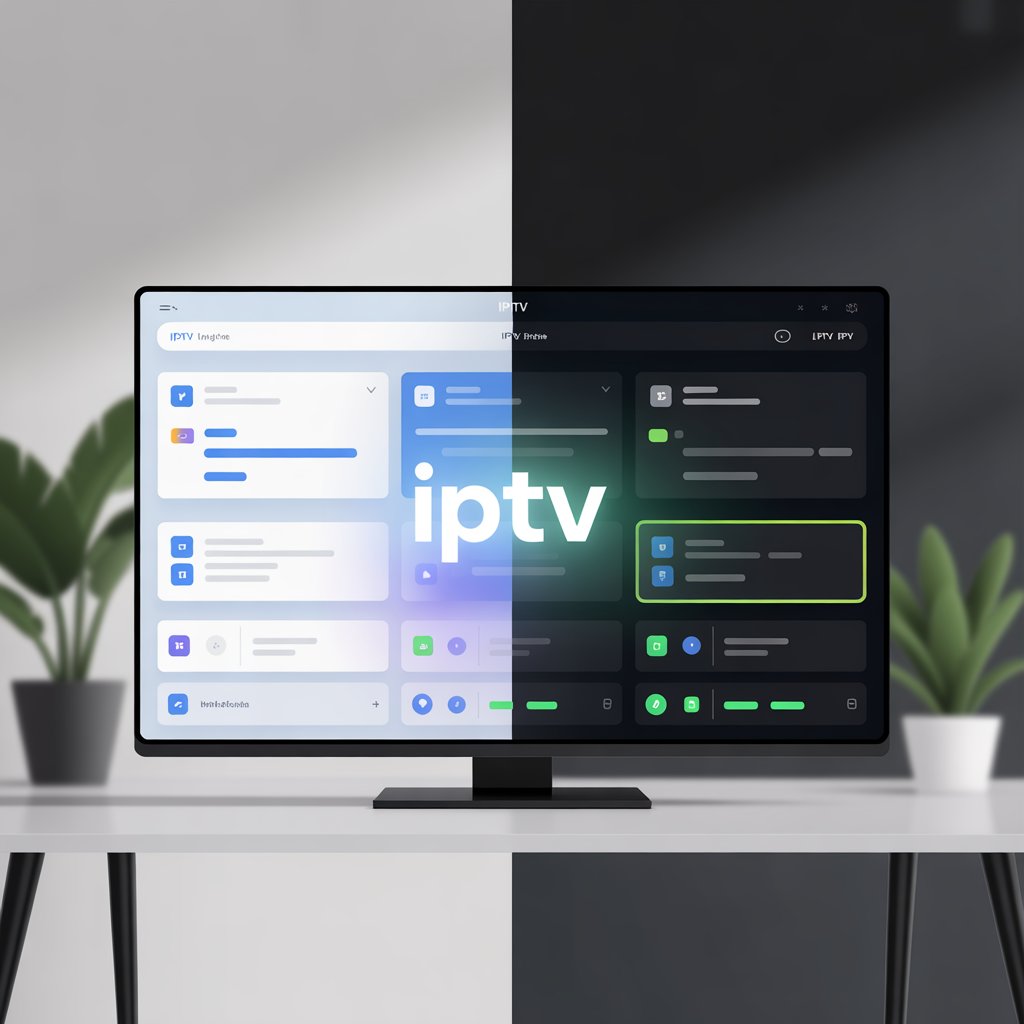
In the digital age, our eyes are constantly glued to screens. From work to entertainment, the glowing rectangles are ever-present. When it comes to streaming, especially with services like Internet Protocol Television (IPTV), long viewing sessions are common. This is where the debate between light and dark interfaces becomes crucial. This comprehensive **IPTV with dark mode comparison** will dive deep into why dark mode isn’t just a trendy aesthetic choice, but a functional improvement for your streaming experience, offering tangible benefits for eye comfort, battery life, and overall usability for users across the United States.
Dark mode, characterized by a dark background with light-colored text, has rapidly gained popularity across operating systems, applications, and websites. But how does this translate to your IPTV viewing habits? Does it truly make a difference when you’re navigating channels, browsing on-demand content, or simply enjoying a late-night movie? We’ll explore the science behind dark mode, its practical implications for IPTV users, and compare it against the traditional light mode to help you decide which is best for your eyes and your devices.
This guide will illuminate:
- Understanding Dark Mode: More Than Just a Trend
- IPTV Essentials: A Quick Refresher
- Key Factors in the IPTV with Dark Mode Comparison
- The Tangible Benefits of Dark Mode for IPTV Users
- Challenges and Considerations for IPTV Providers
- How to Enable Dark Mode on Your IPTV Apps and Devices
- The Future of UI/UX in IPTV: Beyond Dark Mode
Get ready to transform your streaming setup. Let’s begin our ultimate **IPTV with dark mode comparison**.
Understanding Dark Mode: More Than Just a Trend
Dark mode, often referred to as “night mode” or “dark theme,” is a display setting that inverts the color scheme of an interface, presenting light-colored text and elements on a dark background. This contrasts sharply with the default “light mode,” which typically features dark text on a light (often white) background. Its rise in popularity isn’t merely a fleeting design fad; it’s driven by a combination of aesthetic preferences, functional advantages, and a growing awareness of digital well-being. Understanding these nuances is crucial for a meaningful **IPTV with dark mode comparison**.
The Science Behind Dark Mode
The primary scientific arguments for dark mode revolve around:
- Reduced Eye Strain: Bright white screens emit a significant amount of blue light, which can contribute to eye fatigue, dryness, and even disrupt sleep patterns, especially during prolonged use in low-light environments. Dark mode reduces this emitted light, potentially making viewing more comfortable.
- Less Blue Light Exposure: By shifting to darker colors, the amount of blue light reaching your eyes is significantly diminished. This is particularly beneficial for evening use, as blue light can suppress melatonin production, a hormone critical for regulating sleep.
- Improved Readability in Low Light: In dimly lit rooms, a bright screen can create a harsh contrast with the surroundings, forcing your eyes to work harder to adjust. Dark mode harmonizes the screen’s brightness with the environment, making it easier to read and view content.
- Reduced Glare: A bright screen can act like a mirror, reflecting ambient light and causing glare. Dark mode minimizes this reflective surface, improving clarity.
However, it’s worth noting that the scientific consensus on dark mode’s universal benefits for all users and all conditions is still evolving. Some studies suggest that for certain individuals or in brightly lit environments, light mode might offer better readability. The key is personal preference and context, which we’ll explore further in our **IPTV with dark mode comparison**.
Aesthetic and Battery Benefits
Beyond the scientific claims, dark mode offers other compelling advantages:
- Sleek Aesthetics: Many users simply find dark mode visually appealing. It can give an application or interface a modern, sophisticated, and premium look. For entertainment platforms like IPTV, a dark theme can enhance the cinematic feel of the content itself.
- Battery Saving (for OLED/AMOLED Screens): On devices with OLED or AMOLED screens (common in modern smartphones and some TVs), pixels emit their own light. When a pixel displays black, it’s essentially turned off, consuming no power. Therefore, dark mode can lead to significant battery savings on these specific display technologies. On traditional LCD screens, where the backlight is always on, the battery savings are negligible. This is a vital point in any **IPTV with dark mode comparison** for mobile users.
The growing demand for dark mode has pushed developers to integrate it as a standard feature, recognizing its multifaceted appeal to users worldwide. For more on the general benefits of dark mode, you can consult articles like this one from WebMD on Dark Mode Pros and Cons.
IPTV Essentials: A Quick Refresher
Before we dive deeper into the **IPTV with dark mode comparison**, let’s quickly recap what IPTV is. Internet Protocol Television (IPTV) delivers television content over internet networks using IP. Unlike traditional broadcasting (cable, satellite), IPTV streams video as data packets over a managed IP network, offering greater flexibility and interactivity.
Key characteristics of IPTV include:
- On-Demand Content: Access to vast libraries of movies, TV shows, and other media whenever you want.
- Live TV: Stream live broadcast channels.
- Time-Shifted TV: Features like “catch-up TV” (watching previously aired programs) and “start-over” (restarting a live program from the beginning).
- Interactivity: Potential for features like personalized electronic program guides (EPGs), interactive advertising, and more.
IPTV is accessed through various devices, including smart TVs, set-top boxes, smartphones, tablets, and computers. The user interface (UI) of these IPTV applications is where the dark mode experience truly comes into play. Understanding the underlying technology helps appreciate the impact of UI choices in an **IPTV with dark mode comparison**.
Key Factors in the IPTV with Dark Mode Comparison
When evaluating **IPTV with dark mode comparison**, several key factors come into play that influence the user experience. It’s not just about flipping a switch; the implementation and the user’s specific viewing habits matter.
1. Eye Comfort and Strain Reduction
- Light Mode: A bright interface, especially in a dark room, can cause significant eye strain due to the high contrast and emitted light. This can lead to fatigue, dry eyes, and headaches over long viewing sessions.
- Dark Mode: By reducing overall screen brightness and contrast with the surrounding environment, dark mode aims to minimize eye strain. This is particularly beneficial for night owls or those with light sensitivity. For an **IPTV with dark mode comparison**, this is often the most cited benefit.
2. Readability and Content Clarity
- Light Mode: Generally, light text on a dark background can be perceived as less sharp by some users, especially those with astigmatism, due to a phenomenon called “halation” or “bloom.” However, in well-lit environments, light mode often offers superior text clarity.
- Dark Mode: While potentially reducing eye strain, some users might find small text or intricate details harder to discern in dark mode. The choice of font, text size, and contrast levels within the dark theme are crucial for maintaining readability. A well-designed dark mode for IPTV will balance aesthetics with legibility.
3. Device Battery Life
- Light Mode: On OLED/AMOLED screens, displaying white or bright colors requires more power, as each pixel needs to be illuminated.
- Dark Mode: On OLED/AMOLED screens, pixels displaying black are turned off, consuming no power. This can lead to substantial battery savings, especially on mobile devices or smart TVs with these display technologies. For an **IPTV with dark mode comparison** on portable devices, this is a clear win for dark mode.
4. Aesthetic Appeal and User Preference
- Light Mode: Often feels clean, bright, and airy. It’s the traditional default and widely accepted.
- Dark Mode: Offers a modern, sophisticated, and often “cinematic” feel, especially for media consumption. It can make the content itself pop more against a subdued background. User preference is highly subjective, and many simply prefer the look of dark mode.
5. Accessibility Considerations
- Light Mode: Can be problematic for users with photophobia (light sensitivity) or certain visual impairments where bright screens cause discomfort.
- Dark Mode: Can be beneficial for users with low vision or certain conditions that make bright screens difficult. However, it can also exacerbate issues for users with astigmatism or make it harder to distinguish between very dark shades. A truly accessible IPTV experience should offer both options and allow for customizability.
The ideal scenario for an **IPTV with dark mode comparison** is not to declare one universally “better” but to understand their respective strengths and weaknesses, allowing users to choose based on their individual needs and viewing environment.
The Tangible Benefits of Dark Mode for IPTV Users
Beyond the direct comparison points, let’s consolidate the tangible advantages an effectively implemented dark mode brings to your IPTV experience. These benefits highlight why the **IPTV with dark mode comparison** often tips in favor of the darker aesthetic for many users.
1. Reduced Eye Fatigue, Especially at Night
This is arguably the most significant benefit for the vast majority of users. When streaming IPTV content in a dimly lit room, a bright interface can be jarring. Dark mode minimizes the light emitted from the screen, reducing the strain on your eyes as they constantly adjust between the bright interface and the darker content or surroundings. This leads to a more comfortable and prolonged viewing experience without the typical eye soreness or dryness.
2. Improved Sleep Quality (Potentially)
As mentioned, bright screens, particularly those emitting significant blue light, can interfere with your body’s natural melatonin production. By reducing blue light exposure during evening IPTV sessions, dark mode may help maintain your circadian rhythm, potentially leading to better sleep quality after you turn off your device. This is a crucial health consideration in the **IPTV with dark mode comparison**.
3. Enhanced Content Immersion
A dark interface allows the actual video content to stand out more. When the surrounding UI elements are subdued, your focus is naturally drawn to the vibrant colors and details of the movie, TV show, or live stream. This creates a more immersive and cinematic viewing experience, making the content truly pop. For an **IPTV with dark mode comparison**, the aesthetic enhancement is undeniable for many.
4. Extended Battery Life on OLED/AMOLED Devices
For users watching IPTV on smartphones, tablets, or smart TVs equipped with OLED or AMOLED displays, dark mode offers a direct and measurable benefit to battery longevity. Since black pixels are literally turned off on these screens, a dark theme significantly reduces power consumption. This means more streaming time on a single charge, a practical advantage for mobile viewers.
5. Reduced Glare and Light Pollution
In a dark room, a bright screen can create noticeable glare on surrounding surfaces or even reflect off glasses. Dark mode minimizes this “light pollution,” making the viewing environment more pleasant not just for the user, but for anyone else in the room. This contributes to a more relaxed atmosphere during your IPTV sessions.
6. Modern and Premium Aesthetic
Beyond the functional benefits, dark mode simply looks good to many. It conveys a modern, sophisticated, and often premium feel. This aesthetic appeal can enhance the overall perception of the IPTV application or service, making the user experience more enjoyable from a design perspective. The visual appeal is a strong, albeit subjective, factor in the **IPTV with dark mode comparison**.
These combined benefits demonstrate why dark mode has become a highly sought-after feature and a valuable addition to any IPTV platform aiming to provide a superior user experience.
Challenges and Considerations for IPTV Providers
While the benefits for users are clear, implementing a robust and user-friendly dark mode isn’t without its challenges for IPTV providers. A successful **IPTV with dark mode comparison** from a development standpoint requires careful planning and execution.
1. Design Complexity
- Challenge: It’s not just about inverting colors. A well-designed dark mode requires careful selection of a new color palette that maintains hierarchy, readability, and brand identity. Pure black can sometimes be too harsh, requiring shades of dark gray.
- Solution: Dedicated UI/UX designers must create a comprehensive dark theme, testing various color combinations for accessibility and aesthetic appeal. This involves defining new states for interactive elements (buttons, sliders, text fields) in the dark context.
2. Maintaining Readability and Contrast
- Challenge: Ensuring text and icons remain legible against a dark background, especially for users with visual impairments or astigmatism, can be tricky. Too little contrast makes elements blend in; too much can cause a “vibrating” effect.
- Solution: Adhere to accessibility guidelines (e.g., WCAG 2.1) for color contrast ratios. Use slightly desaturated colors for text and elements to prevent eye fatigue. Implement thorough user testing to identify and rectify readability issues.
3. Third-Party Content and Advertising
- Challenge: IPTV platforms often integrate third-party content, advertisements, or external web views that may not support dark mode, leading to jarring transitions or bright “flashes” within a dark interface.
- Solution: Prioritize integration with partners who offer dark mode compatibility. For unavoidable light content, consider subtle background dimming or framing to minimize visual shock. Communicate limitations transparently to users.
4. Performance and Development Overhead
- Challenge: Developing and maintaining two distinct themes (light and dark) adds complexity to the codebase and increases development time and testing.
- Solution: Implement a robust theming architecture (e.g., using CSS variables or design tokens) that allows for easy switching between themes. Automate testing for both modes to catch visual regressions efficiently.
5. User Preference and Customization
- Challenge: Users have diverse preferences. Some prefer dark mode all the time, some only at night, and some never.
- Solution: Provide clear, easily accessible options for users to switch between light and dark modes manually. Consider implementing an “auto” setting that follows the system-wide dark mode preference (if available on the device) or adjusts based on time of day.
Overcoming these challenges ensures that the **IPTV with dark mode comparison** results in a truly superior and user-centric product, not just a superficial feature. For more on UI/UX design in streaming, you can read about UX design for video streaming apps.
How to Enable Dark Mode on Your IPTV Apps and Devices
The process for enabling dark mode in an IPTV application can vary depending on the specific app and the device you are using. However, there are common patterns you can look for. This section will guide you through the typical steps, helping you quickly experience the benefits of our **IPTV with dark mode comparison** firsthand.
1. Within the IPTV Application Settings
Most modern IPTV apps that support dark mode will have a dedicated setting within their own interface:
- Open your IPTV app: Launch the application you use for streaming.
- Navigate to Settings/Preferences: Look for an icon that resembles a gear, three dots, or a menu button, usually found in the top or bottom navigation bar.
- Find “Theme” or “Display” options: Within the settings menu, look for sections like “Theme,” “Display,” “Appearance,” or “UI Settings.”
- Select Dark Mode: You will typically find options like “Light,” “Dark,” or “System Default.” Choose “Dark” to activate the dark theme. Some apps might offer an “Auto” option that switches based on your device’s system settings or time of day.
- Save and Restart (if necessary): Some apps may require you to save your changes or restart the application for the new theme to take full effect.
2. Via System-Wide Dark Mode Settings (for Compatible Devices)
Many operating systems (like Android, iOS, Windows, macOS) now offer a system-wide dark mode. If your IPTV app supports this, it will automatically switch to dark mode when your device’s system-wide setting is enabled.
- On Smartphones/Tablets (iOS/Android):
- Go to your device’s “Settings” app.
- Look for “Display & Brightness” (iOS) or “Display” (Android).
- Toggle on “Dark Mode” or “Dark Theme.”
- If your IPTV app supports system-wide theming, it should automatically adjust.
- On Smart TVs/Streaming Devices (e.g., Android TV, Fire TV):
Some smart TV operating systems or streaming device interfaces offer a dark theme setting. Check your device’s main system settings under “Display,” “Appearance,” or “Accessibility.” Not all IPTV apps on these platforms will automatically follow the system theme, but it’s worth checking.
- On Desktop (Windows/macOS):
- Windows: Go to “Settings” > “Personalization” > “Colors” and choose “Dark” under “Choose your mode.”
- macOS: Go to “System Settings” > “Appearance” and select “Dark.”
- Desktop IPTV applications or web players may then follow this setting.
If your preferred IPTV app does not offer a dark mode, consider reaching out to the developer to request the feature. The growing demand for a positive **IPTV with dark mode comparison** experience is likely to drive more widespread adoption.
The Future of UI/UX in IPTV: Beyond Dark Mode
While an **IPTV with dark mode comparison** highlights significant current benefits, the evolution of user interface (UI) and user experience (UX) in streaming is continuous. The future of IPTV interfaces will likely move beyond simple light/dark toggles towards more adaptive, personalized, and immersive experiences.
Here are some trends to watch:
- Dynamic Theming: Interfaces that automatically adapt not just to time of day, but also to content genre, user mood, or even ambient lighting conditions detected by the device. Imagine a sports broadcast triggering a vibrant, high-contrast theme, while a documentary shifts to a more subdued, cinematic look.
- Personalized UI Layouts: Users having more control over the layout of their EPGs, content carousels, and navigation menus, tailoring the interface to their specific viewing habits and preferences.
- Voice and Gesture Control Integration: Seamless integration with voice assistants and intuitive gesture controls for navigation, search, and playback, reducing reliance on traditional remotes.
- Augmented Reality (AR) Overlays: For compatible devices, AR could offer interactive overlays on live sports (e.g., real-time player stats floating on screen) or immersive elements for educational content.
- Haptic Feedback: Subtle vibrations or tactile responses from devices to enhance interaction, such as confirming a button press or indicating a new notification.
- Accessibility-First Design: Moving beyond basic dark/light modes to offer a wider range of customizable accessibility features, including high-contrast modes, larger text options, and improved navigation for users with diverse needs.
The goal is to create an IPTV experience that is not only visually appealing and easy on the eyes (thanks to a solid **IPTV with dark mode comparison** foundation) but also intuitively responsive and deeply personalized, making content consumption more engaging and comfortable than ever before.
Frequently Asked Questions (FAQs) About IPTV with Dark Mode
Q1: What is dark mode in the context of IPTV?
A1: Dark mode for IPTV refers to a user interface setting where the application displays light-colored text and elements on a dark background, as opposed to the traditional dark text on a light background.
Q2: Does dark mode actually save battery life on all devices?
A2: No, dark mode primarily saves battery life on devices with OLED or AMOLED screens (like many modern smartphones and some high-end TVs). On these screens, black pixels are turned off, consuming no power. On traditional LCD screens, the backlight is always on, so battery savings are negligible.
Q3: Is dark mode better for your eyes?
A3: For many users, especially in low-light environments, dark mode can reduce eye strain, glare, and exposure to blue light, leading to more comfortable viewing. However, some individuals, particularly those with astigmatism, might find light mode more readable in certain conditions.
Q4: How can I enable dark mode on my IPTV app?
A4: Most IPTV apps with dark mode support will have a “Theme,” “Display,” or “Appearance” setting within their in-app preferences. You might also find an “Auto” option that switches based on your device’s system-wide dark mode setting (if your device supports it).
Q5: Why do some IPTV apps not have dark mode?
A5: Implementing a good dark mode requires significant design and development effort to ensure readability, maintain brand identity, and handle all UI elements correctly. Some developers may prioritize other features or lack the resources for a comprehensive dark mode implementation.
Optimize Your IPTV Experience Today!
Our comprehensive **IPTV with dark mode comparison** has shed light on the numerous advantages of embracing a darker interface for your streaming. From significant eye comfort benefits, especially during late-night viewing sessions, to potential battery savings on compatible devices and a sleek, modern aesthetic, dark mode offers a compelling case for adoption.
As you continue to enjoy the vast world of content available through IPTV, consider making the switch to dark mode. Experiment with it, see how your eyes feel, and discover if it enhances your personal streaming journey. The future of IPTV is not just about more content, but about a more comfortable, personalized, and visually pleasing way to consume it.
Looking for the best IPTV apps with robust features? Check out our guide on Top IPTV Apps for 2025.
Curious about optimizing your streaming setup? Read our tips on Boosting Your IPTV Performance.
Explore the broader trends in streaming UI/UX in our article: The Evolving Interface of Digital Streaming.
Do you prefer light or dark mode for your streaming? Share your thoughts and experiences in the comments below!