Your Ultimate IPTV Home Automation Plan for a Smarter 2025
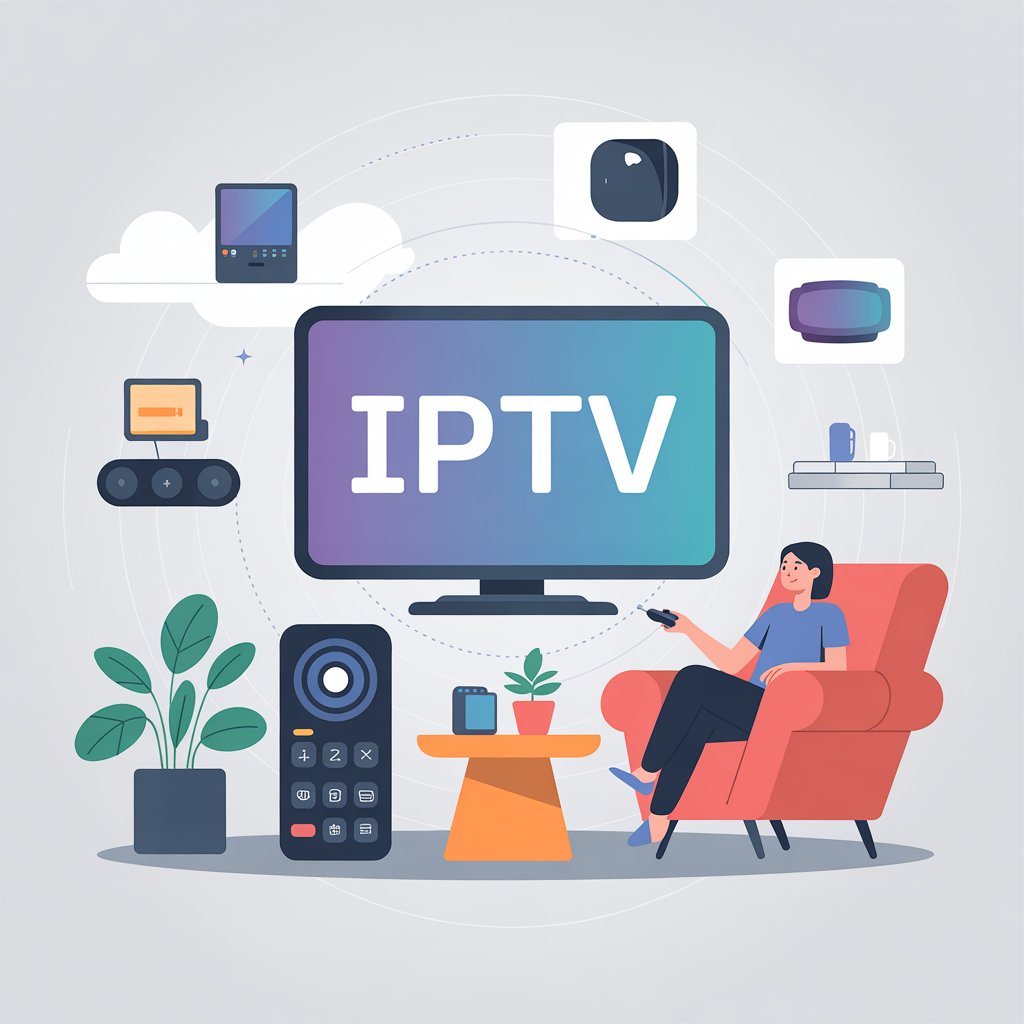
The dream of a truly connected home is no longer a thing of the future. From smart lights that respond to your voice to thermostats that learn your habits, home automation is making our lives more convenient, secure, and energy-efficient. At the center of this ecosystem is often your television—the primary hub for entertainment and information. By thoughtfully integrating your entertainment with your smart home devices, you can create a seamless experience that anticipates your needs. This is the core of an effective **iptv home automation plan**.
In the United States, IPTV (Internet Protocol Television) services have become a standard for content delivery, offering a vast array of channels and on-demand libraries. When you combine this powerful content platform with the intelligence of a smart home system, you unlock a world of possibilities. A well-designed **iptv home automation plan** can create dynamic scenes, automate your routines, and simplify your daily life in ways you never thought possible. This detailed guide will walk you through the benefits, components, and a step-by-step framework to create your own personalized home automation setup for 2025.
This article will cover:
- The Synergy of IPTV and Home Automation
- Key Components of an Effective IPTV Home Automation Plan
- Creating Your Ultimate Plan: A Step-by-Step Guide
- Advanced Scenarios and Use Cases
- Important Considerations and Potential Pitfalls
- Common Questions: A Featured Snippet Focus
- Conclusion and Next Steps
The Synergy of IPTV and Home Automation
On their own, IPTV and home automation are powerful technologies. IPTV delivers your favorite shows, movies, and live sports over the internet, offering flexibility and choice far beyond traditional cable. Home automation, meanwhile, connects and controls your devices, from smart locks to smart speakers, creating an intelligent living space. When you merge these two, the value is greater than the sum of their parts. The goal of an **iptv home automation plan** is to make your technology work for you, creating a responsive and intuitive environment.
Enhanced Convenience and Control
Imagine being able to say, “Hey Google, start movie night,” and have your IPTV service turn on, your smart lights dim to the perfect level, your shades close, and your smart speakers play a subtle ambient sound. This is the promise of an integrated system. Instead of fumbling with multiple remote controls and apps, a single voice command or button press can trigger a series of actions across all your devices. This level of convenience is a game-changer for everyday life.
Improved Security
Your television can become a central monitor for your home’s security. With a proper **iptv home automation plan**, you can set up automations that display your front door camera feed on your TV screen whenever someone rings the doorbell. This gives you instant visibility and peace of mind without having to leave the couch. Similarly, you could have your lights turn on automatically if motion is detected outside while you’re watching a show, creating a visual alert right on your screen.
Energy Efficiency and Savings
Integrating your IPTV with your thermostat and lighting can help you save money. For example, you can create a routine that automatically turns off all lights and lowers the thermostat when your television is powered off, ensuring you’re not wasting energy when you’re done with a viewing session. Conversely, an automation could turn on a fan or adjust the AC to your preferred temperature when you start watching TV, making your living space instantly comfortable. For more insights on how to manage these savings, check out this guide from the U.S. Department of Energy on home automation.
Key Components of an Effective IPTV Home Automation Plan
Building your connected entertainment system requires more than just a smart TV. It requires a strategic combination of hardware and software that can communicate effectively. The success of your **iptv home automation plan** hinges on choosing the right components that are compatible and reliable. A mismatched system can lead to frustration, so a little planning goes a long way.
The IPTV Platform
Not all IPTV services are built with smart home integration in mind. When choosing a service, look for one that offers robust developer tools, a public API, or direct integration with major smart home ecosystems. For instance, services that are compatible with Apple HomeKit, Google Home, or Amazon Alexa are ideal. This compatibility is the digital bridge that allows your entertainment to talk to your smart home devices. An inflexible service will be a major roadblock to a successful **iptv home automation plan**.
The Smart Home Hub
A smart home hub is the brain of your operation. It’s the central device that connects your IPTV service with your lights, thermostat, blinds, and other smart devices. Popular hubs include:
- Amazon Alexa: With a vast ecosystem and powerful voice commands.
- Google Home: Excellent for integration with Google Assistant and a seamless experience for Android users.
- Apple HomeKit: A great choice for those who are deeply invested in the Apple ecosystem, known for its strong security features.
- SmartThings: A versatile hub that supports a wide range of devices and protocols, offering a high degree of customization.
Compatible Smart Devices
Your devices are the actors in your smart home play. To make your **iptv home automation plan** work, you’ll need smart devices that are compatible with your chosen hub.
- Smart Lights: Brands like Philips Hue, LIFX, and others can be controlled to dim, change color, or turn on/off based on your TV’s status.
- Smart Thermostats: Devices like Nest or Ecobee can adjust the temperature to your preference when you start or stop a viewing session.
- Smart Plugs: These are perfect for older devices, allowing you to turn them on or off remotely. You can use them for things like a lamp or a fan that isn’t inherently “smart.”
- Smart Blinds/Shades: For the ultimate movie night experience, smart blinds can automatically close to block out light when you turn on a movie.
- Smart Speakers: A crucial part of the setup, as they often double as your voice command interface for the entire system.
Creating Your Ultimate Plan: A Step-by-Step Guide
Ready to build your dream setup? A great **iptv home automation plan** requires a clear process. Follow these steps to ensure you build a system that is both effective and easy to manage. This isn’t about being a tech wizard; it’s about being methodical and thoughtful in your approach.
- Define Your Goals: What do you want to achieve with this plan? Is it a simple “turn on TV and dim lights” routine, or are you looking for a more complex “party mode” with color-changing lights and music? Write down your top 3-5 desired automations.
- Choose Your Ecosystem: Based on your goals and existing devices, select a primary smart home hub (Alexa, Google Home, etc.). Research IPTV services that are compatible with that hub. This step is the foundation of your **iptv home automation plan**.
- Integrate Your Devices: Start small. Connect your IPTV service to your smart home hub. Then, one by one, add your smart lights, thermostat, and other devices. Follow the manufacturer’s instructions for each device to ensure proper pairing.
- Create Routines and Automations: This is where the magic happens. In your hub’s app, you’ll find an area for “Routines,” “Automations,” or “Scenes.” Use this feature to create your custom triggers and actions. For example, a trigger could be “when the TV turns on,” and the action could be “dim the living room lights to 20%.”
- Test and Refine: Run your new automations to make sure they work as expected. Pay attention to timing and responsiveness. You may need to adjust the settings to get the perfect result. This iterative process is a key part of perfecting your **iptv home automation plan**.
Advanced Scenarios and Use Cases
Once you have a basic **iptv home automation plan** in place, you can start building more complex and impressive automations. These advanced scenarios go beyond simple on/off commands and create truly immersive experiences for you and your family.
The “Movie Night” Scene
This is a classic for a reason. With a single voice command like “Alexa, movie night,” your routine can:
- Turn on your IPTV service and switch to your preferred movie app.
- Dim the living room lights to a specific, warm color.
- Close your smart blinds to block out all light.
- Adjust the smart thermostat to a comfortable temperature.
- Set the volume on your smart speakers or soundbar to a low level.
The “Game Day” Experience
For sports fans, a great **iptv home automation plan** can create an unforgettable game day. A single command like “Hey Google, it’s game day” could:
- Switch your TV to your favorite sports channel.
- Change your smart lights to your team’s colors (e.g., blue and orange).
- Send a notification to your smart speakers to announce the game’s start time.
- Pre-heat your oven if you’re making snacks.
Enhanced Security Integration
As mentioned earlier, your TV can be a powerful security tool. An automation can be created with a motion sensor or a doorbell camera. When the trigger is activated, the routine can automatically:
- Pause your current TV show.
- Display the camera’s live feed on a small overlay on your screen.
- Turn on all outside lights to alert any potential intruders.
- Provide an audio alert through your smart speakers.
Important Considerations and Potential Pitfalls
While an **iptv home automation plan** offers incredible benefits, it’s important to be aware of the potential challenges. A little foresight can save you a lot of headaches down the road. Addressing these points upfront will ensure a smoother, more reliable experience.
Compatibility Issues
The single biggest hurdle in home automation is ensuring all your devices and services are compatible. While some hubs are more universal than others, not every brand works with every ecosystem. Always check the packaging or the product’s website for compatibility symbols (e.g., “Works with Alexa,” “Works with HomeKit”). Mismatched devices will not be able to communicate, which will derail your **iptv home automation plan** before it even begins. For more on compatibility, read our guide on IPTV Package Switch Offers: Your Guide to a Seamless Transition in 2025, which discusses provider-specific technology.
Network Performance
A smart home is only as smart as its network. A slow or unstable Wi-Fi connection will cause delays and reliability issues with your automations. Make sure you have a modern router that can handle multiple connected devices. Consider upgrading to a mesh Wi-Fi system if you have a large home, as this will ensure strong coverage for all your devices. The responsiveness of your **iptv home automation plan** is directly tied to the performance of your home network.
Data Security and Privacy
With so many connected devices, data security is more important than ever. Be sure to use strong, unique passwords for all your devices and your Wi-Fi network. Keep your device firmware updated, as manufacturers often release patches to address security vulnerabilities. When choosing services, look for providers that have a clear and transparent privacy policy. For a deeper dive into smart home security, check out this article from Consumer Reports on protecting privacy in your smart home.
Common Questions: A Featured Snippet Focus
Q: What is an IPTV home automation plan?
A: An **iptv home automation plan** is a strategy for integrating your IPTV service with your home’s smart devices. It uses a central hub to create automated routines that can control your TV, lights, thermostat, and other gadgets with a single command.
Q: Do I need a special IPTV service for home automation?
A: While not all services are compatible, the best IPTV services for home automation are those that have integrations with major smart home ecosystems like Google Home, Amazon Alexa, or Apple HomeKit.
Q: Can I use my old TV with an IPTV home automation plan?
A: Yes, as long as you connect it to a smart streaming device that is compatible with your smart home hub. This device (like a Fire TV Stick or Apple TV) can serve as the communication bridge between your TV and the rest of your smart home.
Q: Is it expensive to set up an IPTV home automation system?
A: The cost varies widely. You can start with a low-cost hub and a few smart plugs, or you can invest in a more comprehensive system with high-end devices. The key is to start with a clear **iptv home automation plan** and build your system one device at a time.
Q: How do I get started with an IPTV home automation plan?
A: The first step is to choose a smart home ecosystem (e.g., Amazon Alexa, Google Home). Then, find an IPTV provider that is compatible with that ecosystem. From there, you can add smart devices and create your own custom automations and routines using the hub’s app.
Conclusion and Next Steps
The convergence of entertainment and smart home technology is one of the most exciting trends of the decade. By taking the time to create a thoughtful **iptv home automation plan**, you can move beyond simple, manual controls and build a truly intelligent home that enhances your comfort, security, and enjoyment. From setting the perfect movie scene to creating a lively game day atmosphere, the possibilities are endless.
We’ve given you the framework to start your journey. Now it’s your turn to imagine and create. What’s the first home automation routine you’d create with your IPTV? What’s your biggest smart home challenge?
Share your ideas and questions in the comments below, and let’s continue the conversation about building the smart home of the future.