The Ultimate IPTV Home Automation Comparison: Building a Smarter Streaming Experience
In a world where our lives are increasingly connected, it’s only natural that our entertainment should follow suit. The days of simply turning on the TV are long gone.
Today, we expect a seamless, personalized, and intelligent viewing experience. This is where the powerful combination of IPTV and home automation comes into play.
If you’re looking to elevate your home entertainment, this **iptv home automation comparison** is your definitive guide. It’s about understanding how these two technologies can work together to create a smarter, more immersive living space.
This guide will take you through a detailed **iptv home automation comparison** of how these technologies can be integrated, from simple convenience to full-fledged cinematic immersion. We’ll explore the key areas of integration and discuss the tangible benefits.
We’ll also provide a step-by-step roadmap for you to start building your own smart streaming hub. By the end, you’ll see why this powerful synergy is the future of home entertainment. This **iptv home automation comparison** will revolutionize your viewing experience.
The Foundation: Understanding IPTV and Home Automation
Before we dive into the nuts and bolts of our **iptv home automation comparison**, let’s quickly define the two core technologies. Understanding what each does on its own is essential to grasping their combined power.
First, we have IPTV, or Internet Protocol Television. Unlike traditional cable, which uses a direct coaxial cable feed, IPTV delivers television content over the internet. This provides immense flexibility, allowing you to access a vast library of live TV channels and on-demand content through a compatible app.
On the other side of the coin, we have home automation. This is the technology that allows you to control devices and systems in your home from a central hub or a mobile app. The core idea is to automate everyday tasks and create a more responsive, comfortable, and efficient living environment.
When these two technologies are brought together, you move from simply watching content to living within your content. The experience becomes deeply integrated into your environment, creating a level of comfort and immersion that was once the stuff of science fiction.
The United States is seeing rapid adoption of both technologies, making this **iptv home automation comparison** particularly relevant for today’s consumers. This **iptv home automation comparison** will help you get started.
Key Areas of Integration: A Direct Comparison
The true value of this integration becomes clear when you look at the specific features and capabilities it unlocks. Let’s compare the experience of a standard IPTV setup with a fully automated one across several key areas.
User Experience and Control
In a traditional IPTV setup, your user experience is limited to a remote control or a mobile app that controls the player itself. This is a key difference to consider in any serious **iptv home automation comparison**.
You might have to manually adjust the lights, close the blinds, and turn on the soundbar before you can start watching. This is a multi-step process that can be cumbersome and disruptive to a relaxing movie night.
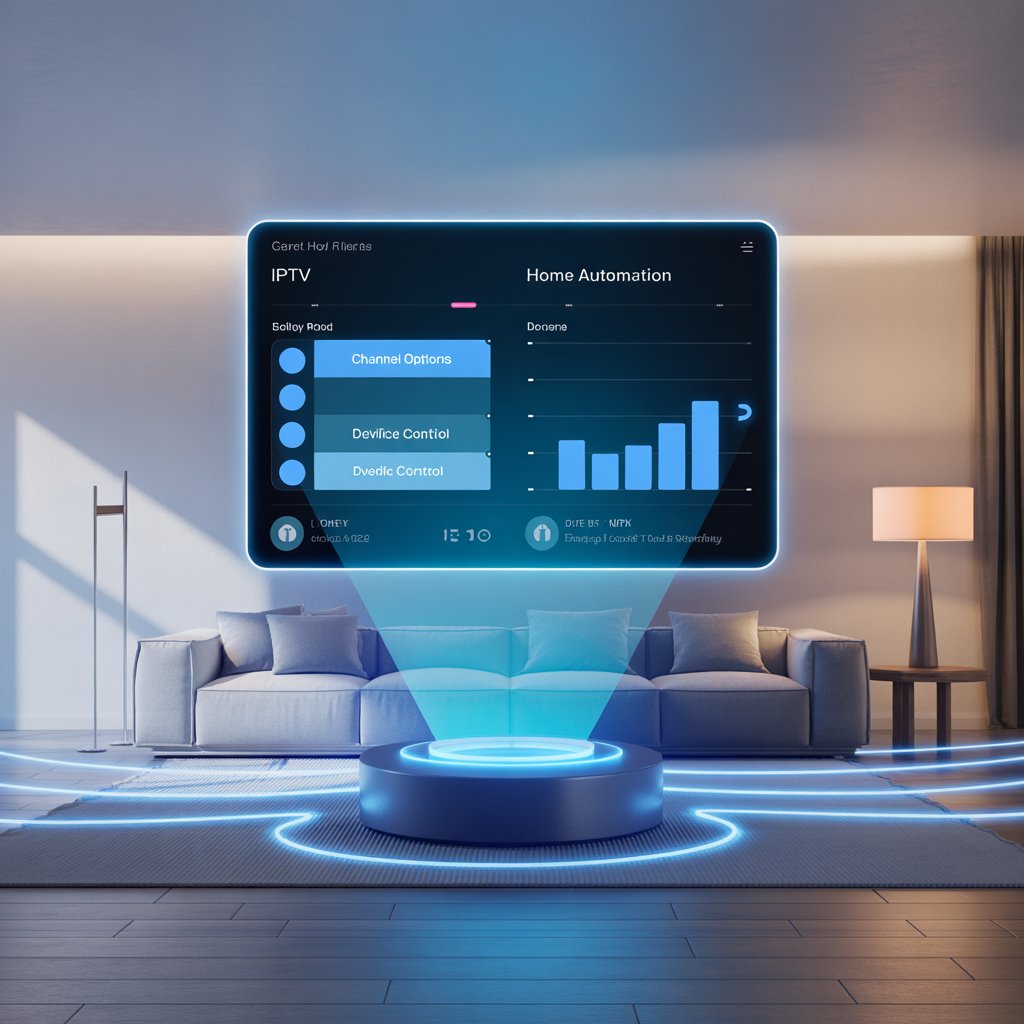
With home automation, your IPTV player becomes part of a larger, unified system. You can create a single “Movie Night” routine in your smart home app that, with a single command, will:
- Turn on your IPTV player and navigate to the home screen.
- Dim the smart lights in the room to a preset level.
- Close your motorized window blinds.
- Adjust the thermostat to a comfortable temperature.
- Power on your sound system and switch it to the correct input.
This level of control transforms the viewing experience from a series of manual tasks into a seamless, one-touch event. Instead of fumbling with multiple remotes, you can simply use a voice command like “Hey Google, start Movie Night.”
This is the ultimate expression of convenience and is a huge point in favor of a full **iptv home automation comparison**. This **iptv home automation comparison** highlights a key benefit.
Lighting and Ambiance Automation
This is arguably the most common and impactful integration point. A standard IPTV setup doesn’t interact with your room’s lighting at all. You’re left with either a room that’s too bright or one that’s pitch-black, making it difficult to find snacks or interact with other devices.
This is an area where a strong **iptv home automation comparison** truly highlights the benefits of smart tech. By connecting your IPTV player to smart lights (like Philips Hue or LIFX), you can create dynamic lighting scenes that match the content on your screen.
You can set up a routine that syncs your lights to the colors being displayed on the TV. For example, during a suspenseful scene, the lights might turn a deep, eerie blue. When a character runs through a field of flowers, they might shift to a vibrant green and pink.
This kind of integration turns a passive viewing session into a fully sensory event. For more on this, check out this guide on setting up smart lighting for your home theater from CNET. This **iptv home automation comparison** shows a path to greater immersion.
Audio and Sound System Integration
With a traditional setup, you have your TV speakers or maybe a soundbar. To change the volume or switch audio sources, you need a separate remote. In our **iptv home automation comparison**, this is another area where smart tech provides a clear advantage.
By integrating your IPTV with a smart home ecosystem, you can connect your player to a multi-room audio system. This allows you to broadcast the audio of a football game to speakers in your kitchen or patio while you’re grabbing a drink, ensuring you never miss a play.
You can also automate your home theater system to power on and select the correct audio profile the moment your IPTV app launches. This eliminates the need to fiddle with a receiver and multiple speakers, providing a truly unified audio experience. This level of seamless control is a core benefit of a smart **iptv home automation comparison**.
Security and Parental Controls
For parents, monitoring and managing screen time can be a constant battle. A standard IPTV setup offers basic PIN codes or content filters, but it’s a manual process. This is a crucial point to consider in any **iptv home automation comparison** aimed at families.
With home automation, you can create powerful, automated parental controls. You can set a rule that automatically turns off the TV and IPTV app at a specific time each night. You can also link the TV to a security camera, allowing you to get a notification on your phone if the TV is turned on after bedtime.
This provides peace of mind and gives parents a level of control that goes far beyond a simple password. Similarly, you can set a routine to turn off all smart devices in the living room and turn on your home security system the moment you leave the house. The security aspect of this **iptv home automation comparison** is a huge selling point.
Practical Benefits: Why Integrate?
The **iptv home automation comparison** isn’t just about cool tricks; it’s about delivering real-world value. Here are some of the key benefits that make this integration a must-have for the modern home. A good **iptv home automation comparison** proves the value.
- Enhanced Immersion: The ability to sync your IPTV content with your environment—through lighting, sound, and even temperature—creates a more immersive and cinematic experience. This is a core benefit of an **iptv home automation comparison**.
- Energy Efficiency and Cost Savings: By automating your devices to turn off when not in use, you can significantly reduce your energy consumption. A smart routine can ensure that your TV, sound system, and smart lights are all powered down the moment you leave the room or go to bed. Our **iptv home automation comparison** wouldn’t be complete without this point.
- Unmatched Convenience and Ease of Use: The most compelling reason for this integration is convenience. The one-touch or voice-activated routines save time and eliminate the friction of managing multiple devices. Your entire entertainment system is at your command, making for a truly relaxing and effortless experience. This is what an **iptv home automation comparison** is all about.
- Future-Proofing Your Home Entertainment: The pace of technology is only accelerating. By building a unified, smart entertainment ecosystem, you are creating a flexible, future-proof setup that can easily accommodate new devices and innovations as they arrive. This makes the **iptv home automation comparison** a forward-looking exercise.
The Challenges and Considerations
While the benefits are clear, it’s important to approach this integration with a clear understanding of the potential challenges. The biggest hurdle is often compatibility. There are several competing smart home ecosystems—Apple HomeKit, Google Home, Amazon Alexa, and Samsung SmartThings, to name a few.
Not all devices work with all platforms, and choosing the right one for your needs is a critical first step. For a detailed guide, you can read our comparison on Choosing the Right Smart Home Ecosystem. A good **iptv home automation comparison** should always highlight potential pitfalls.
Another potential challenge is the complexity of the initial setup. Building a cohesive system requires some technical know-how and patience. You may need to create complex routines, troubleshoot connectivity issues, and learn the specific commands for your chosen platform. However, the one-time effort is well worth the long-term rewards of a seamless, automated entertainment experience. This is a key point in any honest **iptv home automation comparison**.
Finally, data privacy and security are paramount. As you connect more devices to your network, you create more potential entry points for security breaches. It is essential to choose reputable brands, use strong passwords, and regularly update your firmware to protect your personal information. Our **iptv home automation comparison** would be incomplete without this warning.
Step-by-Step Guide: Building Your Smart IPTV Hub
Ready to get started? Here’s a simple, step-by-step guide to building your own smart streaming hub, based on our **iptv home automation comparison**. This process focuses on making the most of the integration points we’ve discussed.
-
Choose Your Ecosystem: This is the most important decision you’ll make. If you are an iPhone user, Apple HomeKit may be the most seamless choice. If you are an Android user, Google Home or Amazon Alexa are excellent choices. Do your research and select a platform that is compatible with your existing devices and the brands you trust. Remember that many popular smart home brands offer products that work with multiple ecosystems, so this decision is not always a permanent one. This is a crucial step in any **iptv home automation comparison**.
-
Select Your IPTV Service and Player: Ensure your IPTV service is compatible with a modern player that offers automation capabilities. Look for players that have open APIs or support for external control. This is the foundation of your IPTV experience and the central point of our **iptv home automation comparison**. A solid, reliable player is a must-have.
-
Acquire Compatible Smart Devices: Start small and grow your setup. A great starting point is smart lighting and a smart speaker. Once you get comfortable, you can add more advanced devices like motorized blinds, smart plugs for your TV and soundbar, and a smart thermostat. As you expand, make sure all new devices are compatible with your chosen ecosystem. This **iptv home automation comparison** will guide your purchases.
-
Configure Your Routines and Automations: This is where the magic happens. Use your smart home app to create custom routines. Give them simple, memorable names like “Movie Time,” “Sports Mode,” or “Late Night Stream.” In each routine, define the actions you want to happen. For example, your “Movie Time” routine could turn on the TV, switch the input, dim the lights, and lower the blinds. You can also set up more complex automations, like having the lights turn on automatically if you pause the TV. This **iptv home automation comparison** shows you how to bring it all together.
The Future of the Smart Streaming Experience
The **iptv home automation comparison** we’ve made today is just the beginning. The future of home entertainment is even more integrated and intelligent. We can expect to see advancements in AI and machine learning that will take automation to the next level.
Imagine an IPTV app that learns your viewing habits and automatically adjusts the lighting and sound to match the genre you’re watching, all without you having to lift a finger. The technology will get smarter and more intuitive, moving beyond simple commands to proactive suggestions. Our **iptv home automation comparison** is just the start of the journey.
Voice control will become more natural and conversational, allowing you to say things like, “It’s getting too dark in here” to trigger a subtle light adjustment, rather than a rigid command. We may also see deeper integration with the content itself, where a character’s dialogue or a scene’s action can trigger a specific response from a smart device in your home.
This level of synchronization will make the line between the content on your screen and the world around you increasingly blurry. It is clear that the future of IPTV is intrinsically linked with the future of home automation. This **iptv home automation comparison** proves that this is the direction things are heading.
Optimizing for Featured Snippets: Key Questions Answered
What is the main benefit of IPTV home automation comparison?
The main benefit of an **IPTV home automation comparison** is understanding how to create a more immersive, convenient, and energy-efficient streaming experience. By integrating the two, you can automate everything from lighting and audio to parental controls with simple voice commands or pre-set routines. An **iptv home automation comparison** will help you get started.
Can I control my TV with my smart lights?
Yes, through home automation, you can connect your IPTV setup to smart lights. This allows you to create routines where a single command can turn on your TV and simultaneously dim the lights or change their color to match the content on the screen, creating a dynamic and immersive viewing atmosphere. A proper **iptv home automation comparison** explores these benefits.
Which smart home ecosystem works best with IPTV?
The best smart home ecosystem for IPTV depends on your existing devices and preferences. Popular options include **Google Home**, **Amazon Alexa**, and **Apple HomeKit**. Many modern IPTV players are compatible with these platforms, so choosing the one that offers the most features and seamless integration with your other smart devices is the best approach. Our **iptv home automation comparison** can help you decide.
Conclusion: The New Standard for Streaming in 2025
The detailed **iptv home automation comparison** shows that the synergy between these two technologies is not just a passing trend. It’s a fundamental shift in how we interact with our entertainment. The benefits of enhanced immersion, unmatched convenience, and improved energy efficiency are too significant to ignore.
By taking the time to plan your setup and integrate these powerful technologies, you are not just upgrading your TV; you are revolutionizing your entire home entertainment experience. This **iptv home automation comparison** is your first step.
Whether you’re starting with a simple smart plug or building a full-fledged cinematic home theater, every step you take in this direction makes your home smarter and your viewing sessions more enjoyable. The era of the truly smart streaming experience is here, and it’s up to you to embrace it. What’s the first automation you plan to set up for your IPTV? Share your ideas in the comments below!
Ready to get started? Check out our related guides to help you build your ultimate home theater. Learn about the best Streaming Devices for 2025 or find out how to choose the Ultimate Guide to IPTV Players. This **iptv home automation comparison** is your guide to a better future.
Return to top of page