

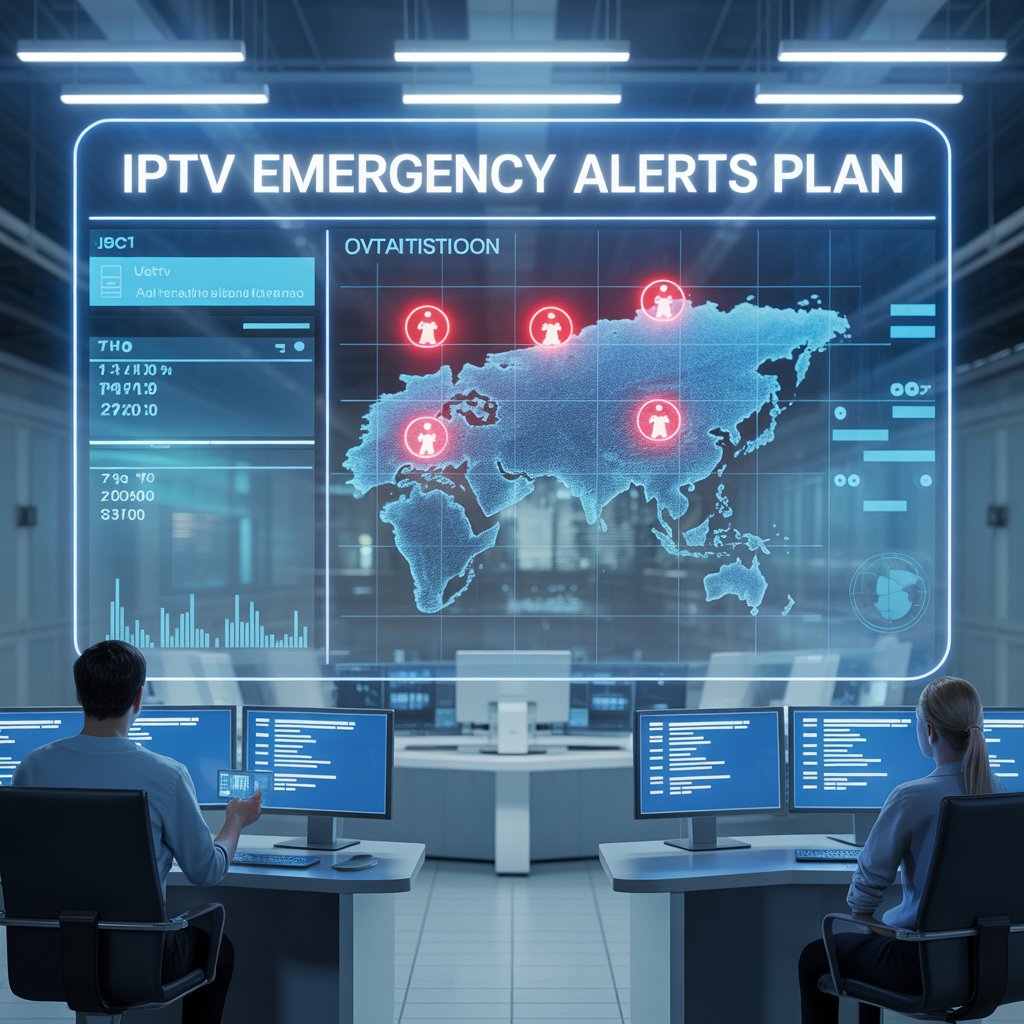
Critical Connections: Your Ultimate IPTV Emergency Alerts Plan for Public Safety
In today’s fast-paced world, access to timely and accurate information can be the difference between safety and disaster. Whether it’s a severe weather warning, a civil emergency, or an Amber Alert, getting critical information to the public quickly is paramount. While traditional television and radio have long served as primary conduits for emergency broadcasts, the rise of Internet Protocol Television (IPTV) introduces new complexities and opportunities. Developing a robust **IPTV emergency alerts plan** is no longer optional; it’s a critical responsibility for providers and a vital expectation for consumers across the United States.
Imagine a tornado warning appearing instantly on every screen in your home, even if you’re streaming an on-demand movie. Or a localized evacuation order overriding a live sports broadcast to ensure everyone in an affected area receives the message. An effective **IPTV emergency alerts plan** ensures that your streaming service is not just a source of entertainment, but a reliable lifeline during times of crisis. This comprehensive guide will delve into the regulatory landscape, technological requirements, and best practices for implementing a seamless and effective emergency alert system within IPTV environments.
This guide will cover:
- The Evolution of Emergency Alerts: From Broadcast to Broadband
- The Regulatory Framework: EAS, WEA, and IPTV Compliance
- Core Components of an IPTV Emergency Alerts Plan
- Key Alert Delivery Mechanisms in IPTV
- Benefits and Challenges of Modern IPTV Alert Systems
- Best Practices for Implementing Your IPTV Emergency Alerts Plan
- The Future of Emergency Alerts in IPTV: Smarter, More Targeted
- Frequently Asked Questions (FAQs) About IPTV Emergency Alerts Plan
Let’s explore how an effective **IPTV emergency alerts plan** can safeguard communities and enhance public safety.
The Evolution of Emergency Alerts: From Broadcast to Broadband
For decades, the primary methods for disseminating emergency information to the public have been the Emergency Broadcast System (EBS) and its successor, the Emergency Alert System (EAS). These systems were designed for traditional analog and then digital broadcast television and radio, ensuring that critical messages could override programming to reach a wide audience. However, the media landscape has dramatically shifted, with a significant portion of the population now consuming content via streaming services, including IPTV. This evolution necessitates a modern approach to emergency alerting, leading to the development of a robust **IPTV emergency alerts plan**.
The Shift to Streaming
The rise of high-speed internet and the proliferation of streaming devices have fundamentally changed how Americans consume media. Many households have “cut the cord,” relying solely on online platforms for their entertainment and news. This shift presents both challenges and opportunities for emergency management:
- Challenge: Traditional EAS signals, designed for over-the-air or cable/satellite delivery, do not inherently translate to IP-based streaming services. A viewer streaming content on their smart TV or mobile device might miss a critical alert if the IPTV provider isn’t equipped to receive and disseminate it.
- Opportunity: IP-based systems offer the potential for more targeted, personalized, and interactive alerts. Unlike a broad broadcast, an **IPTV emergency alerts plan** could theoretically deliver messages only to affected geographic areas or even specific devices.
Recognizing this evolving landscape, regulatory bodies and industry players have been working to adapt emergency alerting systems to broadband platforms, ensuring that public safety remains paramount in the digital age. This adaptation is at the heart of any comprehensive **IPTV emergency alerts plan**.
The Regulatory Framework: EAS, WEA, and IPTV Compliance
In the United States, emergency alerting is governed by strict regulations, primarily enforced by the Federal Communications Commission (FCC) and the Federal Emergency Management Agency (FEMA). Understanding these regulations is foundational to developing a compliant and effective **IPTV emergency alerts plan**.
The Emergency Alert System (EAS)
The EAS is a national public warning system that enables the President to address the American public during a national emergency. It also allows state and local authorities to deliver important emergency information, such as severe weather warnings, Amber Alerts, and other civil emergencies, to affected communities. Traditionally, EAS applies to:
- Radio Broadcast Stations
- Television Broadcast Stations
- Cable Systems
- Satellite Radio and Television Services
For IPTV providers, the question of EAS compliance has been a evolving area. The FCC has increasingly focused on ensuring that “video programming distributors” (VPDs) – which can include IPTV services – comply with EAS rules. This often involves receiving EAS alerts from a designated source (e.g., a local primary EAS station) and ensuring they are passed through to subscribers, even if they are streaming on-demand content. Compliance is a non-negotiable part of any **IPTV emergency alerts plan**.
Wireless Emergency Alerts (WEA)
WEA is a separate but complementary system that delivers geographically targeted, text-like messages to WEA-enabled mobile phones. These alerts are typically for severe weather, Amber Alerts, and Presidential messages. While WEA operates independently of IPTV, a comprehensive **IPTV emergency alerts plan** should consider how it can complement WEA, especially for mobile users who might be accessing IPTV content on their smartphones.
FCC Regulations for Broadband Video Providers
The FCC has issued rules specifically addressing emergency alerting for broadband video programming distributors. These rules generally require such providers to:
- Pass-Through Alerts: Ensure that EAS alerts received from their designated EAS monitoring assignment are passed through to their subscribers.
- Accessibility: Make alerts accessible to people with disabilities, including providing visual (text crawl) and audio (spoken) components.
- Testing: Participate in national, state, and local EAS tests.
Compliance with these regulations is complex and requires a robust technical infrastructure and operational procedures. Providers must stay updated on FCC rulings and industry best practices. For detailed regulatory information, the FCC’s Emergency Alert System page is an authoritative source. Adhering to these guidelines is paramount for any **IPTV emergency alerts plan**.
Core Components of an IPTV Emergency Alerts Plan
Building an effective **IPTV emergency alerts plan** involves integrating several critical components to ensure seamless and reliable delivery of public safety messages. These components work together to ingest, process, and disseminate alerts across the IPTV platform.
1. Alert Ingestion and Decoding
- EAS Monitoring: The IPTV system must have mechanisms to receive EAS alerts. This typically involves monitoring designated EAS sources (e.g., local broadcast stations, cable headends) and decoding the Common Alerting Protocol (CAP) messages.
- CAP Message Processing: CAP is an international standard for exchanging public warnings and emergency information. The **IPTV emergency alerts plan** needs to be able to ingest and parse CAP messages, which contain details like alert type, severity, affected area, and instructions.
- Other Alert Sources: Beyond EAS, some providers may integrate with other alert sources, such as NOAA Weather Radio, local emergency management agencies, or proprietary alert feeds.
2. Content Interruption and Overlay System
This is the mechanism that ensures the alert reaches the viewer, regardless of what they are watching:
- Live TV Override: For live linear channels, the system must be able to interrupt the ongoing program and insert the emergency alert, similar to traditional broadcasting.
- VOD/Time-Shifted Content Overlay: For on-demand or time-shifted content, alerts are typically displayed as an overlay (e.g., a text crawl at the bottom of the screen, a pop-up banner) without fully interrupting the content, unless the severity warrants a full interruption.
- Audio Ducking/Override: The system should be able to duck (lower) the existing audio and play the alert audio, or completely override it, ensuring the spoken message is clear.
- Visual Components: Alerts must include visual elements like text crawls, graphical overlays, or full-screen messages to cater to hearing-impaired individuals and provide clear visual information.
3. Geo-Targeting Capabilities
One of the significant advantages of IP-based systems is the potential for geo-targeting. An advanced **IPTV emergency alerts plan** can:
- Subscriber Location Mapping: Map subscriber IP addresses or billing addresses to geographic locations.
- Targeted Delivery: Deliver alerts only to subscribers within the specific geographic area affected by the emergency, reducing unnecessary disruptions for those outside the danger zone. This is a key differentiator from traditional broad broadcasts.
4. Accessibility Features
Compliance with accessibility standards is crucial:
- Text-to-Speech: Convert text alerts into spoken audio for visually impaired users.
- Closed Captioning/Subtitles: Ensure text alerts are displayed clearly and can be integrated with existing captioning systems.
- Visual Flashing/Vibration: For some devices, visual flashing or haptic feedback can enhance alert awareness for hearing-impaired users.
5. Testing and Logging
- Regular Testing: The **IPTV emergency alerts plan** must include provisions for regular testing (monthly, weekly, national) to ensure the system is fully operational and compliant.
- Detailed Logging: Maintain comprehensive logs of all alerts received, processed, and disseminated, including timestamps and delivery status, for compliance auditing and post-incident analysis.
These core components form the backbone of a reliable and effective **IPTV emergency alerts plan**, ensuring that public safety messages are delivered efficiently and inclusively.
Key Alert Delivery Mechanisms in IPTV
An effective **IPTV emergency alerts plan** leverages various mechanisms to ensure alerts reach users across different devices and viewing scenarios. The goal is to be pervasive yet intelligent in delivery.
1. On-Screen Overlays and Text Crawls
This is the most common and least disruptive method for non-critical alerts or for alerts during on-demand content:
- Text Crawl/Banner: A scrolling text message or a static banner appearing at the top or bottom of the screen. This is ideal for Amber Alerts or weather advisories that don’t require immediate, full-screen interruption.
- Pop-up Notifications: A small, non-intrusive pop-up that appears on the screen, often with an audible tone, providing a brief summary of the alert.
These methods allow users to continue watching their content while still receiving vital information.
2. Full-Screen Interruption (Hard Override)
For high-priority, life-threatening emergencies (e.g., tornado warnings, civil defense warnings), a full-screen interruption is essential:
- Forced Channel Change: The IPTV system can automatically switch the viewer’s channel to a designated emergency information channel or a channel broadcasting the EAS message.
- Full-Screen Message: The screen is completely taken over by the emergency message, often with accompanying audio. This ensures maximum attention.
This “hard override” capability is a critical part of any robust **IPTV emergency alerts plan**.
3. Audio Overrides and Tones
Auditory cues are crucial for immediate attention and for visually impaired users:
- EAS Tones: The distinctive EAS tones (Attention Signal) are played to grab immediate attention before the message is delivered.
- Voice Message Playback: The alert message, often delivered via text-to-speech or pre-recorded audio, is played over the existing content’s audio, or replaces it entirely.
4. Mobile App Notifications
For users accessing IPTV content on smartphones or tablets, integrating with mobile notification systems is vital:
- Push Notifications: Alerts can be sent as push notifications to the user’s mobile device, even if the app is not actively open.
- In-App Alerts: When the IPTV app is open on a mobile device, alerts can appear as banners or pop-ups within the app interface.
This ensures that users receive alerts even when they are on the go, complementing the fixed-screen alerts. This multi-platform approach is a key strength of a modern **IPTV emergency alerts plan**.
5. Integration with Smart Home Devices
As smart home ecosystems become more prevalent, future **IPTV emergency alerts plan** implementations may integrate with these devices:
- Smart Speakers: Alerts could be broadcast through smart speakers (e.g., Amazon Echo, Google Home) in the household.
- Smart Lighting: Lights could flash or change color to draw attention to an alert.
This level of integration creates a truly pervasive and intelligent alerting system within the home environment.
Benefits and Challenges of Modern IPTV Alert Systems
Implementing a comprehensive **IPTV emergency alerts plan** offers significant benefits for public safety but also comes with unique challenges that providers must navigate.
Benefits:
- Wider Reach: As more people “cut the cord,” IPTV systems ensure that emergency alerts continue to reach a significant portion of the population who might no longer rely on traditional broadcast media.
- Targeted Alerts: The IP-based nature allows for geo-targeting, meaning alerts can be delivered only to those in affected areas, reducing unnecessary panic or disruption for others. This precision is a major advantage over traditional broad alerts.
- Enhanced Accessibility: IPTV platforms can more easily integrate visual (text, graphics), audio (text-to-speech), and even haptic feedback (vibration on mobile devices) for a more inclusive alerting experience for people with disabilities.
- Faster Dissemination: Digital, IP-based systems can often disseminate alerts with greater speed and efficiency compared to older analog systems.
- Improved User Experience: For less critical alerts, overlays allow users to receive information without completely interrupting their viewing, leading to less frustration.
Challenges:
- Technical Complexity: Integrating emergency alert systems into diverse IPTV platforms, which may include various devices (STBs, smart TVs, mobile apps) and content delivery networks (CDNs), is technically complex. Ensuring seamless operation across all these components is a significant hurdle.
- Regulatory Compliance: Navigating the evolving FCC regulations for broadband video providers can be challenging. Compliance requires continuous monitoring, testing, and reporting.
- Latency: While IP can be fast, ensuring minimal latency for critical alerts across a vast and potentially congested internet infrastructure requires robust network design and prioritization.
- Geo-targeting Accuracy: The accuracy of geo-targeting depends on reliable location data (IP addresses, user-provided location), which can sometimes be imprecise or raise privacy concerns.
- User Experience vs. Urgency: Balancing the need for immediate, intrusive alerts for severe emergencies with less disruptive methods for lower-priority information requires careful design to avoid alert fatigue.
- Cybersecurity: Emergency alert systems are critical infrastructure and must be highly secure against cyber threats that could disrupt their operation or allow for false alerts.
Despite the challenges, the benefits of a well-executed **IPTV emergency alerts plan** for public safety far outweigh the complexities, making it an essential investment for modern IPTV providers.
Best Practices for Implementing Your IPTV Emergency Alerts Plan
To ensure your **IPTV emergency alerts plan** is effective, reliable, and compliant, consider these best practices for implementation and ongoing management:
1. Prioritize Redundancy and Reliability
- Multiple Ingestion Points: Do not rely on a single source for receiving emergency alerts. Implement redundant EAS monitoring systems and diversify alert ingestion points to ensure continuous operation even if one source fails.
- Robust Network Infrastructure: Ensure your network infrastructure is resilient, with sufficient bandwidth and failover mechanisms to handle alert dissemination during peak traffic or network issues.
- Disaster Recovery Plan: Develop and regularly test a comprehensive disaster recovery plan for your entire IPTV emergency alerting system.
2. Adhere Strictly to Regulatory Compliance
- Stay Updated: Continuously monitor FCC rulings and guidelines related to emergency alerting for broadband video providers. Regulations can evolve, and compliance is mandatory.
- Regular Testing: Conduct frequent internal tests of your alert system, in addition to participating in mandatory national, state, and local EAS tests. Document all test results meticulously.
- Accessibility Standards: Design all alert components (visual, audio) to meet FCC accessibility requirements for individuals with disabilities.
3. Optimize for User Experience and Clarity
- Clear and Concise Messaging: Ensure alert messages are easy to understand, even under stressful conditions. Avoid jargon.
- Appropriate Intrusiveness: Implement a tiered approach to alerts:
- Low severity: Non-interrupting text crawl/banner.
- Medium severity: Pop-up notification with audio tone.
- High severity: Full-screen override with EAS tones and critical audio message.
- User Controls (where appropriate): Allow users to customize alert preferences for non-critical alerts (e.g., opt-in for certain weather alerts), but ensure critical alerts are always delivered.
4. Leverage Geo-Targeting Responsibly
- Accurate Location Data: Use reliable methods for determining subscriber location (e.g., billing address, IP geolocation) to ensure alerts are sent to the correct geographic areas.
- Privacy Considerations: Be transparent with users about location data usage for emergency alerts and ensure compliance with privacy regulations.
5. Comprehensive Monitoring and Logging
- Real-time Monitoring: Implement systems to monitor the status of your emergency alert infrastructure in real-time, detecting any failures or delays in alert dissemination.
- Detailed Logging: Maintain exhaustive logs of every alert received, processed, and delivered, including delivery success rates, for auditing and post-incident analysis.
By following these best practices, IPTV providers can build an **IPTV emergency alerts plan** that is not only compliant but also highly effective in protecting public safety.
The Future of Emergency Alerts in IPTV: Smarter, More Targeted
The landscape of emergency alerting within IPTV is continuously evolving, driven by technological advancements and the increasing need for more precise and effective communication during crises. The future of the **IPTV emergency alerts plan** promises even more sophisticated and integrated systems.
1. Hyper-Localized and Personalized Alerts
- Street-Level Targeting: Advancements in geolocation technology and AI will enable alerts to be targeted down to specific streets or buildings, minimizing disruption to unaffected areas.
- Content-Aware Alerts: AI could potentially analyze the content being watched and deliver alerts in a contextually relevant way (e.g., a weather alert for a specific outdoor event being streamed).
- Multi-Lingual Delivery: Alerts could automatically be delivered in the user’s preferred language, based on their profile settings.
2. Enhanced Interactivity and Feedback Loops
- Confirmation of Receipt: Future systems might allow users to confirm receipt of an alert, providing valuable data to emergency responders.
- Interactive Instructions: Alerts could include interactive elements, allowing users to tap for more detailed maps, evacuation routes, or contact information for emergency services.
- Crowdsourced Information: While complex, future systems might integrate anonymized crowdsourced data to enhance situational awareness for emergency managers.
3. Deeper Smart Home Integration
- Pervasive Home Alerts: Beyond TVs, alerts could trigger smart lights to flash, smart speakers to announce messages, and even smart thermostats to adjust settings in response to certain emergencies (e.g., fire alerts).
- Device Prioritization: AI could intelligently determine the best device in the household to deliver an alert based on user activity or device status.
4. AI-Powered Alert Generation and Dissemination
- Automated Message Generation: AI could assist emergency agencies in rapidly generating clear, concise, and accessible alert messages based on raw incident data.
- Optimized Dissemination Paths: AI algorithms could dynamically choose the most reliable and fastest delivery paths across the internet to ensure alerts reach their targets with minimal latency.
These future trends indicate a shift towards an emergency alerting system within IPTV that is not just compliant but truly intelligent, adaptive, and deeply integrated into our digital lives, ensuring maximum safety and preparedness. For a broader look at how technology is enhancing public safety, refer to resources like the DHS Science and Technology Directorate on First Responder Technologies.
Frequently Asked Questions (FAQs) About IPTV Emergency Alerts Plan
Q1: What is an IPTV emergency alerts plan?
A1: An **IPTV emergency alerts plan** is a comprehensive strategy and technical framework implemented by Internet Protocol Television providers to receive, process, and disseminate critical public safety messages (like severe weather warnings, Amber Alerts, or civil emergencies) to their subscribers, ensuring compliance with regulatory requirements.
Q2: Are IPTV providers required to deliver emergency alerts in the US?
A2: Yes, the FCC has increasingly extended Emergency Alert System (EAS) regulations to broadband video programming distributors, which include many IPTV services. Providers are generally required to pass through EAS alerts and ensure accessibility.
Q3: How do IPTV alerts differ from traditional TV alerts?
A3: While both deliver critical information, IPTV alerts can leverage IP-based advantages like geo-targeting (delivering alerts only to affected areas), more flexible display options (overlays during VOD), and enhanced accessibility features beyond what traditional broadcast systems typically offer.
Q4: Can IPTV alerts be targeted to specific locations?
A4: Yes, one of the significant advantages of an **IPTV emergency alerts plan** is the ability to geo-target alerts. By mapping subscriber locations (via IP addresses or billing information), providers can deliver emergency messages only to those within a specific affected geographic area, minimizing disruption elsewhere.
Q5: What types of emergencies are covered by IPTV alerts?
A5: IPTV emergency alerts typically cover a range of critical situations, including severe weather warnings (tornadoes, floods), Amber Alerts for missing children, civil emergency messages (e.g., evacuation orders), and national emergencies as directed by the President.
Stay Safe, Stay Informed with Advanced IPTV Alerting!
The importance of a robust **IPTV emergency alerts plan** cannot be overstated. In an increasingly digital world, ensuring that critical public safety information reaches every individual, regardless of their content consumption method, is a shared responsibility. IPTV providers are at the forefront of this evolution, leveraging advanced technology to build resilient, targeted, and accessible emergency communication systems.
As a consumer, understanding how your IPTV service handles emergency alerts empowers you to make informed choices for your household’s safety. For providers, a commitment to a comprehensive and continuously improving emergency alerts plan is a testament to their dedication to public welfare.
Learn more about how AI is revolutionizing streaming services in our article: Smart Stream: Unlocking the Future with IPTV AI Assistant Offers in 2025.
Discover how data analytics can enhance IPTV operations, including reliability for critical services: Unleash Power: Your Ultimate IPTV AI Analytics Plan Guide to Revolutionize Streaming.
Explore the environmental considerations in streaming technology in our post: Green Stream: Unveiling IPTV Eco-Friendly Streaming Offers for a Sustainable Future in 2025.
What are your thoughts on how streaming services can further improve emergency communication? Share your insights and experiences in the comments below!