

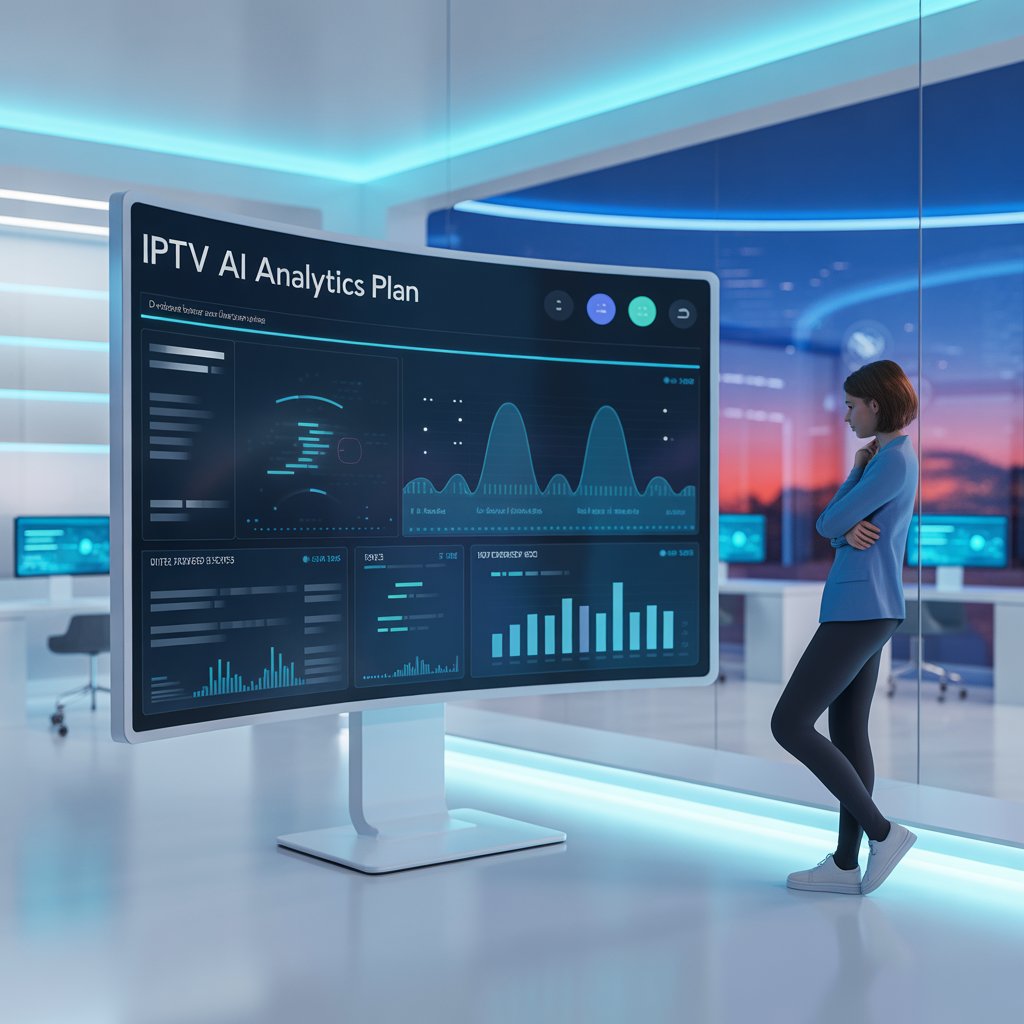
Unleash Power: Your Ultimate IPTV AI Analytics Plan Guide to Revolutionize Streaming
In the rapidly evolving world of digital entertainment, simply delivering content isn’t enough. To truly thrive, IPTV providers in the United States need to understand their audience, optimize their services, and predict future trends with precision. This is where an advanced **IPTV AI analytics plan** steps in, transforming raw data into actionable intelligence. Gone are the days of guessing what your subscribers want; Artificial Intelligence (AI) and machine learning (ML) are now empowering providers to make data-driven decisions that enhance user experience, optimize operations, and unlock new revenue streams.
Imagine knowing exactly which content will resonate with a specific demographic, predicting potential network bottlenecks before they impact service quality, or identifying at-risk subscribers before they churn. An effective **IPTV AI analytics plan** makes this possible. It’s not just about collecting data; it’s about leveraging sophisticated algorithms to uncover hidden patterns, forecast behaviors, and automate responses, giving your IPTV service an unparalleled competitive edge.
This comprehensive guide will illuminate the power of an **IPTV AI analytics plan**, covering:
- The Evolution of IPTV: From Basic Streaming to Intelligent Insights
- Unpacking the IPTV AI Analytics Plan: Core Components
- Transformative Benefits of an IPTV AI Analytics Plan
- Key Use Cases for an IPTV AI Analytics Plan in Action
- Implementing Your IPTV AI Analytics Plan: Challenges and Best Practices
- The Future Landscape: What’s Next for IPTV and AI Analytics
- Frequently Asked Questions (FAQs) About IPTV AI Analytics Plan
Get ready to revolutionize your IPTV service. Let’s delve into the ultimate **IPTV AI analytics plan**.
The Evolution of IPTV: From Basic Streaming to Intelligent Insights
IPTV has come a long way since its inception. Initially, it was primarily focused on delivering television content over IP networks, offering a digital alternative to traditional cable and satellite. Early IPTV systems focused on basic functionalities like live TV, video-on-demand (VOD), and simple electronic program guides (EPGs). However, as internet infrastructure improved and consumer expectations evolved, so did the demands on IPTV providers.
What is IPTV? (Brief Refresher)
Internet Protocol Television (IPTV) is a system where television services are delivered using the Internet protocol suite over a packet-switched network such as a LAN or the internet, instead of traditional terrestrial, satellite signal, and cable television formats. This allows for features like interactivity, personalized content, and time-shifted viewing. The underlying digital nature of IPTV means it generates vast amounts of data – data that, when properly analyzed, becomes incredibly valuable. This data forms the bedrock of any effective **IPTV AI analytics plan**.
The Rise of Data in Media Consumption
The shift from linear broadcasting to on-demand, personalized streaming has created an explosion of data. Every click, every watch, every pause, every search query generates a data point. This rich tapestry of information, however, is only useful if it can be processed and understood. Traditional analytics tools often fall short in handling the volume, velocity, and variety of this “big data.” This is precisely why Artificial Intelligence has become indispensable. AI algorithms can sift through petabytes of data, identify complex correlations, and predict outcomes in ways that human analysis simply cannot. This capability is the driving force behind the development and adoption of a robust **IPTV AI analytics plan**.
Unpacking the IPTV AI Analytics Plan: Core Components
An effective **IPTV AI analytics plan** is not a single tool but a comprehensive strategy involving multiple interconnected components working in synergy. Here’s a breakdown of its core elements:
1. Data Ingestion and Processing
The first step in any **IPTV AI analytics plan** is collecting the right data. This includes:
- Usage Data: What content is watched, when, for how long, device used, pause/rewind/fast-forward actions.
- Subscriber Data: Demographics, subscription tiers, billing history, support interactions.
- Network Data: Bandwidth usage, latency, packet loss, server load, error rates.
- Content Data: Metadata (genre, cast, release date), popularity, licensing information.
- Engagement Data: Clicks on recommendations, ad interactions, search queries, ratings, reviews.
This raw data is then ingested from various sources (set-top boxes, apps, CDN logs, billing systems) and processed. This involves cleaning, transforming, and structuring the data to make it suitable for AI/ML algorithms. Real-time processing capabilities are crucial for immediate insights, a key feature of a dynamic **IPTV AI analytics plan**.
2. AI/ML Models for Analysis
This is the brain of the **IPTV AI analytics plan**. Various AI and machine learning models are employed:
- Predictive Analytics: Using historical data to forecast future trends, such as content popularity, subscriber churn risk, or network traffic spikes.
- Recommendation Engines: Algorithms (e.g., collaborative filtering, content-based filtering) that suggest personalized content to users based on their viewing history and preferences of similar users.
- Anomaly Detection: Identifying unusual patterns in network performance or user behavior that might indicate issues like service degradation or fraudulent activity.
- Natural Language Processing (NLP): Analyzing user feedback, reviews, and support tickets to gauge sentiment and identify common pain points.
- Computer Vision: Potentially analyzing video content itself for scene detection, object recognition, or even audience reaction (with privacy considerations).
These models continuously learn and refine their predictions and insights as more data becomes available, making the **IPTV AI analytics plan** increasingly intelligent over time.
3. Visualization and Reporting
Raw data and complex AI outputs are meaningless without clear visualization. An effective **IPTV AI analytics plan** includes dashboards and reporting tools that present insights in an easily digestible format for various stakeholders:
- Executive Dashboards: High-level KPIs (Key Performance Indicators) like subscriber growth, ARPU (Average Revenue Per User), and overall service quality.
- Marketing Dashboards: Content performance, campaign effectiveness, personalization success rates.
- Operations Dashboards: Real-time network health, error rates, server loads, and potential bottlenecks.
- Custom Reports: Detailed, on-demand reports for specific investigations or strategic planning.
These visualizations enable quick understanding and facilitate informed decision-making across the organization.
4. Actionable Insights and Automation
The ultimate goal of an **IPTV AI analytics plan** is to generate actionable insights and, where possible, automate responses. This means:
- Triggering Alerts: Automated notifications to operations teams when network anomalies are detected.
- Dynamic Content Adjustments: Automatically updating content recommendations based on real-time viewing patterns.
- Personalized Marketing: Triggering targeted promotions or retention offers to specific subscriber segments identified by AI.
- Resource Allocation: Using predictive analytics to dynamically allocate network resources or CDN capacity based on anticipated demand.
By closing the loop from data collection to insight to action, an **IPTV AI analytics plan** moves beyond passive reporting to become a proactive operational and strategic tool.
Transformative Benefits of an IPTV AI Analytics Plan
Implementing a robust **IPTV AI analytics plan** offers a multitude of transformative benefits that can significantly impact the success and profitability of an IPTV service in the competitive US market.
1. Enhanced Content Personalization
AI-powered recommendation engines are the cornerstone of modern streaming. An **IPTV AI analytics plan** allows providers to:
- Deliver highly relevant content suggestions tailored to individual user preferences, increasing engagement and watch time.
- Improve content discovery, helping users find new shows and movies they’ll love, reducing decision fatigue.
- Create personalized user interfaces that adapt to viewing habits, making the experience feel uniquely theirs.
This level of personalization is crucial for retaining subscribers in a market saturated with options.
2. Optimized Content Acquisition & Production
Understanding what content performs best is vital for strategic investment. An **IPTV AI analytics plan** can:
- Identify trending genres, actors, or themes, guiding future content licensing and acquisition decisions.
- Predict the potential success of new content based on historical data and audience demographics.
- Inform original content production strategies by highlighting gaps in the current library or underserved niches.
- Optimize content scheduling and placement within the EPG for maximum viewership.
This ensures that content budgets are spent wisely, maximizing ROI.
3. Dynamic Advertising and Monetization
AI analytics can revolutionize advertising strategies, moving beyond static ad breaks:
- Enable highly targeted advertising based on individual viewing habits, demographics, and inferred interests, leading to higher conversion rates for advertisers.
- Optimize ad placement and frequency to minimize disruption and maximize revenue.
- Facilitate dynamic ad insertion (DAI), allowing ads to be swapped in real-time based on viewer profiles.
- Identify premium ad inventory and optimize pricing strategies.
This creates more effective advertising for brands and a more valuable revenue stream for providers. For more insights into how AI is shaping media, consider this article from Forbes on AI in Media and Entertainment.
4. Proactive Network Management and QoS
Maintaining high Quality of Service (QoS) is paramount for IPTV. An **IPTV AI analytics plan** can:
- Predict network congestion and traffic spikes, allowing providers to proactively scale resources or reroute traffic.
- Detect anomalies and potential service issues (e.g., buffering, low resolution) in real-time, enabling rapid troubleshooting and resolution before they impact many users.
- Optimize content delivery network (CDN) routing for faster, more reliable streaming.
- Reduce customer support calls related to technical issues by identifying and resolving problems before users even notice them.
This leads to fewer disruptions and higher subscriber satisfaction.
5. Improved Churn Prediction and Retention
Subscriber churn is a major concern for any subscription service. An **IPTV AI analytics plan** can:
- Identify subscribers at high risk of churning based on changes in viewing patterns, engagement levels, or support interactions.
- Trigger personalized retention campaigns, offering targeted discounts, content recommendations, or proactive support to at-risk users.
- Analyze the reasons behind churn to inform product improvements and service adjustments.
By understanding and addressing churn drivers, providers can significantly improve subscriber retention rates.
Key Use Cases for an IPTV AI Analytics Plan in Action
To illustrate the practical applications of an **IPTV AI analytics plan**, let’s look at some key use cases that demonstrate its power across different operational areas.
1. Subscriber Behavior Analysis
- Personalized Profiles: AI creates detailed profiles for each subscriber, understanding their preferred genres, viewing times, device usage, and even emotional responses to content (via implicit feedback). This powers hyper-personalized recommendations.
- Segmentation: Automatically groups subscribers into segments (e.g., sports fanatics, family viewers, movie buffs) for targeted marketing campaigns and content curation.
- Engagement Metrics: Tracks deep engagement metrics beyond simple viewership, such as re-watch rates, completion rates for series, and interaction with interactive elements.
2. Content Performance Metrics
- Real-time Popularity: Monitors content popularity in real-time, identifying viral trends or sudden drops in interest.
- ROI on Content: Analyzes the return on investment for licensed or original content by correlating viewership with acquisition costs and subscriber retention.
- Metadata Optimization: Uses AI to suggest optimal metadata (tags, descriptions) for content to improve searchability and discoverability within the platform.
3. Network Health Monitoring
- Predictive Maintenance: AI models predict hardware failures or network bottlenecks based on performance data, allowing for proactive maintenance and upgrades.
- Quality of Experience (QoE) Monitoring: Goes beyond basic QoS to measure actual user experience (e.g., buffering events, video quality degradation) and identifies root causes.
- Traffic Optimization: Dynamically reroutes traffic or adjusts CDN usage based on real-time demand and network conditions to ensure smooth delivery.
4. Targeted Ad Delivery
- Audience Matching: AI matches specific ad campaigns to the most receptive audience segments, increasing ad effectiveness and advertiser satisfaction.
- Frequency Capping: Ensures users aren’t oversaturated with ads, maintaining a positive viewing experience while maximizing ad revenue.
- Performance Reporting: Provides advertisers with detailed, AI-generated reports on ad performance, including impressions, clicks, and conversion rates.
These use cases highlight how an **IPTV AI analytics plan** moves beyond simple data collection to become a strategic asset, driving intelligence and automation across the entire IPTV ecosystem.
Implementing Your IPTV AI Analytics Plan: Challenges and Best Practices
While the benefits are clear, successfully implementing an **IPTV AI analytics plan** requires careful planning and addressing potential challenges. Here are key considerations:
1. Data Privacy and Security
- Challenge: Collecting vast amounts of user data raises significant privacy concerns (e.g., GDPR, CCPA in the US). Securing this sensitive information from breaches is paramount.
- Solution: Implement robust data anonymization and encryption protocols. Ensure compliance with all relevant data privacy regulations. Adopt a “privacy-by-design” approach, making privacy a core consideration from the outset. Clearly communicate data usage policies to subscribers.
2. Integration with Existing Infrastructure
- Challenge: IPTV providers often have legacy systems for billing, content management, and network operations. Integrating a new AI analytics platform can be complex.
- Solution: Choose an analytics solution with open APIs and strong integration capabilities. Consider a phased implementation, starting with critical data sources and expanding gradually. Leverage cloud-native solutions for flexibility and scalability.
3. Talent and Expertise
- Challenge: Building and managing an **IPTV AI analytics plan** requires specialized skills in data science, machine learning engineering, and cloud infrastructure.
- Solution: Invest in training existing staff or recruit specialized talent. Partner with experienced AI/ML vendors or consulting firms. Utilize managed AI services that reduce the need for in-house expertise for complex model development.
4. Scalability
- Challenge: The volume of data generated by IPTV can grow exponentially. The analytics infrastructure must be able to scale efficiently to handle this growth without performance degradation.
- Solution: Design a scalable data architecture from day one, leveraging cloud platforms and distributed computing technologies. Regularly monitor performance and plan for capacity upgrades.
By proactively addressing these challenges, IPTV providers can ensure a smooth and successful deployment of their **IPTV AI analytics plan**, unlocking its full potential.
The Future Landscape: What’s Next for IPTV and AI Analytics
The synergy between IPTV and AI analytics is only just beginning to unfold. The future promises even more sophisticated and integrated solutions that will further redefine the streaming landscape. The evolution of the **IPTV AI analytics plan** will be driven by advancements in several key areas:
- Hyper-Personalization Beyond Content: AI will personalize not just content recommendations, but also UI layouts, advertising experiences, and even pricing models based on individual user value and preferences.
- Real-time Emotional AI: While controversial, advancements in emotional AI could potentially gauge user sentiment in real-time (e.g., via facial expressions or voice tone, with strict ethical guidelines) to adapt content delivery or support interactions.
- Edge AI for Network Optimization: More AI processing will occur at the network edge (closer to the user) to enable ultra-low latency analytics and immediate responses for QoS optimization.
- Generative AI for Content Creation: AI may assist in the creation of personalized short-form content, trailers, or even interactive narratives based on user data and preferences.
- Blockchain Integration for Data Trust: Blockchain could be used to ensure the transparency and immutability of data collection and usage, building greater trust with subscribers regarding their personal information in an **IPTV AI analytics plan**.
- Predictive Content Rights Management: AI will help providers make more informed decisions about content licensing by accurately predicting the value and audience engagement of specific titles or genres.
These trends indicate a future where IPTV services are not just reactive to user behavior but are proactively anticipating needs, optimizing every facet of the streaming experience, and operating with unprecedented efficiency. The **IPTV AI analytics plan** will be at the very heart of this intelligent transformation.
Frequently Asked Questions (FAQs) About IPTV AI Analytics Plan
Q1: What is an IPTV AI analytics plan?
A1: An **IPTV AI analytics plan** is a strategic framework that leverages Artificial Intelligence and machine learning to collect, process, analyze, and act upon vast amounts of data generated by an IPTV service. Its goal is to gain actionable insights into subscriber behavior, content performance, network health, and monetization opportunities.
Q2: How does AI help with content recommendations in IPTV?
A2: AI uses algorithms to analyze a user’s viewing history, preferences, and interactions, as well as the behavior of similar users. Based on these patterns, it predicts what content a user is most likely to enjoy, delivering highly personalized recommendations that increase engagement and content discovery.
Q3: Can an IPTV AI analytics plan predict subscriber churn?
A3: Yes, one of the key benefits of an **IPTV AI analytics plan** is its ability to predict subscriber churn. AI models analyze changes in user behavior (e.g., reduced watch time, decreased engagement with certain features, increased support contacts) to identify subscribers at high risk of canceling their service, allowing providers to intervene proactively.
Q4: Is data privacy a concern with IPTV AI analytics?
A4: Yes, data privacy and security are significant concerns. A responsible **IPTV AI analytics plan** must incorporate robust data anonymization, encryption, and strict adherence to privacy regulations like GDPR and CCPA to protect user information and build trust.
Q5: What kind of data does an IPTV AI analytics plan typically analyze?
A5: An **IPTV AI analytics plan** analyzes a wide range of data, including subscriber demographics, viewing history, device usage, content metadata, network performance metrics (latency, bandwidth), ad interactions, search queries, and customer support interactions.
Unlock the Full Potential of Your IPTV Service!
The era of passive streaming is over. With a well-executed **IPTV AI analytics plan**, providers can move beyond simply delivering content to intelligently understanding, optimizing, and personalizing every aspect of the subscriber journey. From boosting content engagement and maximizing ad revenue to proactively managing network health and significantly reducing churn, the power of AI is undeniable.
Embrace the future of intelligent streaming. By integrating AI analytics into your IPTV operations, you’re not just investing in technology; you’re investing in a smarter, more efficient, and ultimately more profitable future for your service.
Interested in the technical aspects of implementing AI in streaming? Read our deep dive into Building an AI-Powered Streaming Backend.
Learn more about optimizing user experience with data in our article: Data-Driven UX: Enhancing User Experience in Digital Products.
Explore how AI is changing content creation itself in our post: The Rise of AI in Content Creation: A Glimpse into the Future.
What aspects of an IPTV AI analytics plan do you find most intriguing for your business? Share your thoughts and questions in the comments below!