

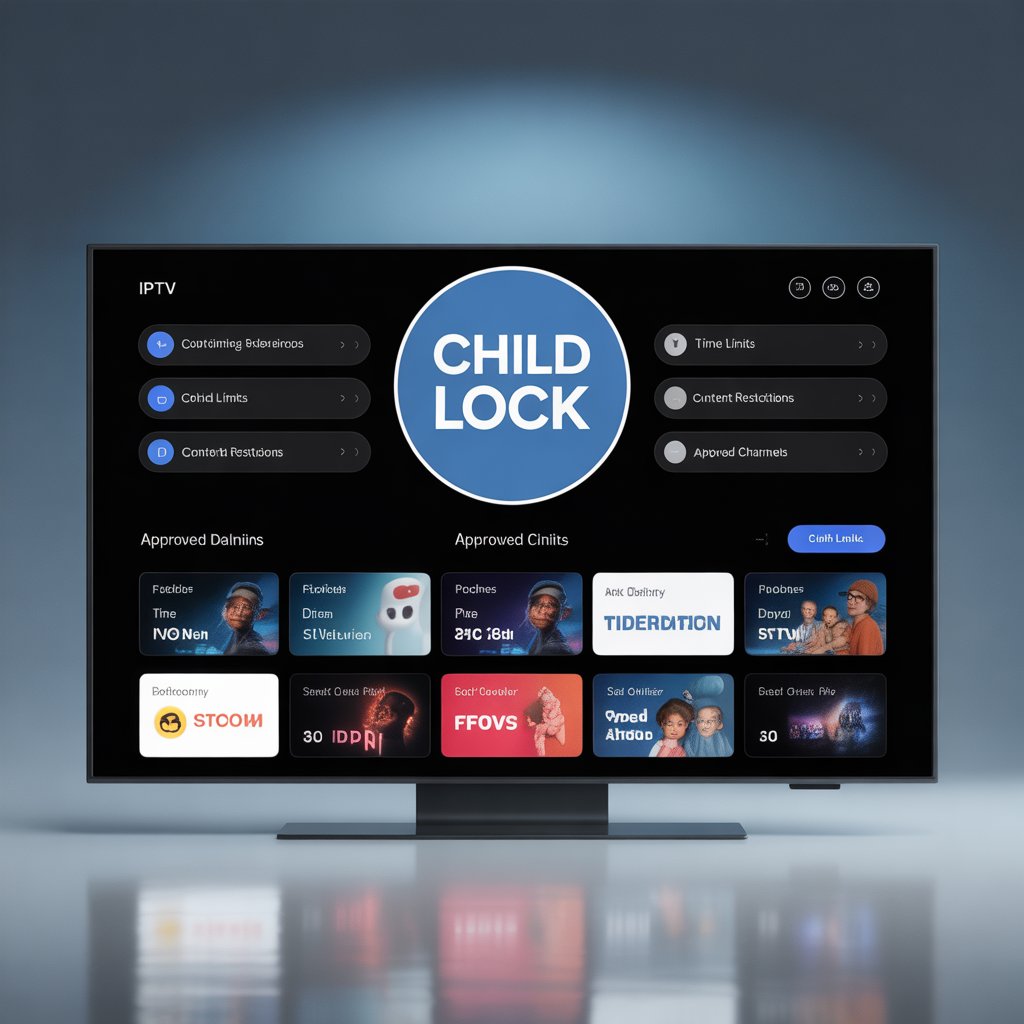
IPTV with Parental Control: Your Ultimate Guide to a Safer Family Stream
In today’s digital world, entertainment is at our fingertips. Internet Protocol Television (IPTV) has emerged as a powerful way for families across the United States to watch their favorite shows, movies, and live sports. The incredible selection of content—from global news to niche documentaries—is a major draw. However, this vast library can also be a source of concern for parents. With so much content available, how can you ensure your children are safe from inappropriate material?
This is where the power of a robust **IPTV with parental control** system comes in. It’s more than just a feature; it’s an essential tool that provides peace of mind. In this comprehensive guide, we’ll walk you through everything you need to know about setting up and using **IPTV with parental control**. We’ll cover why it’s so important, how it works on different devices and services, and offer expert tips to create a truly family-friendly viewing experience.
What is IPTV and Why Parental Control is Essential
Before we dive into the technical aspects of **IPTV with parental control**, let’s quickly understand what IPTV is. Simply put, IPTV delivers television content over the internet instead of through traditional cable or satellite. It offers a massive range of channels from around the world, often at a more affordable price than conventional services.
While this freedom and variety are fantastic, they also come with a significant risk. Unlike cable TV, which has more rigid regulations, many IPTV services offer content of all kinds, including channels with mature, explicit, or violent material. Without a reliable way to filter this content, children can accidentally or intentionally stumble upon things you’d prefer they didn’t see. Implementing **IPTV with parental control** is the only way to safeguard your family’s viewing environment and keep your kids’ entertainment both educational and age-appropriate.
The Core Components of IPTV with Parental Control
The best **IPTV with parental control** systems are built on a few key features that give you granular control over what’s accessible on your TV. Understanding these features is the first step to mastering your setup.
PIN and Password Protection
This is the most fundamental layer of security. Most IPTV services and apps allow you to set a PIN (Personal Identification Number) or password to restrict access to certain content or settings. For example, you can set a PIN that is required to:
- Access channels or movies rated for mature audiences (e.g., TV-MA, R-rated).
- Change parental control settings.
- Add new devices to your account.
A strong, unique PIN that is not easily guessed is crucial. Teach your children the importance of not sharing this number with friends or even other family members who might not be aware of the restrictions. A PIN is the gatekeeper of your **IPTV with parental control** system.
Content Filters and Ratings
Many providers offer filtering tools based on content ratings, similar to what you’d find on Netflix or Hulu. You can often set a maximum rating that is viewable without a PIN. For example, you can configure your **IPTV with parental control** settings to only allow unblocked access to content rated G, PG, or TV-Y, while requiring a PIN for anything rated PG-13, TV-14, or higher. This is one of the most effective tools for an effective **IPTV with parental control** setup.
Channel Blocking and Hiding
If you know there are specific channels that are not suitable for your family, most IPTV applications allow you to block them completely. This is a great feature for ensuring your kids won’t accidentally click on a channel that isn’t appropriate for their age. You can also hide these channels from the program guide entirely, so they don’t even show up as an option. This is a very popular feature for those looking for a truly comprehensive **IPTV with parental control** solution.
Time and Usage Limits
Parental controls aren’t just about content; they’re also about managing screen time. Some advanced apps and devices let you set a daily or weekly time limit for viewing, or even schedule a “bedtime” that automatically locks the app. This is an invaluable tool for parents who want to balance entertainment with other activities, and it’s a feature that’s becoming more common in top-tier **IPTV with parental control** systems.
How to Set Up Parental Controls on Popular Devices
The exact steps for setting up **IPTV with parental control** depend on your streaming device and the app you’re using. We’ll provide general instructions for some of the most popular platforms in the United States.
Setting Up on Amazon Fire TV Stick
The Fire TV Stick has a built-in parental control system that works with all apps, including IPTV players.
- From the Fire TV home screen, navigate to **Settings > Preferences > Parental Controls**.
- Enable parental controls and set a PIN. Make sure it’s a PIN you can remember but that your child won’t be able to guess.
- Choose what to restrict, such as app purchases, specific apps, and content ratings. When you enable **IPTV with parental control** here, you can require a PIN to open the IPTV app itself.
- Inside your specific IPTV app (e.g., TiviMate or GSE Smart IPTV), you will need to set an additional PIN for content filtering within that app.
Setting Up on Android TV and NVIDIA Shield
Android TV and the NVIDIA Shield offer a similar experience for setting up **IPTV with parental control**.
- Go to the home screen and select **Settings > Device Preferences > Home Screen > Channel Customization**. Here you can hide or block specific channels and content feeds.
- To lock apps, you will need to use a third-party app locker from the Google Play Store, or utilize the built-in restricted profile feature by going to **Settings > Security & Restrictions > Restricted Profile**. This is a great way to enable **IPTV with parental control** on the entire device.
- As with the Fire TV, you’ll need to go into your IPTV app’s settings and set a separate PIN for content within the app itself.
Setting Up on Apple TV
Apple TV’s Restrictions feature is a powerful way to implement **IPTV with parental control**.
- Go to **Settings > General > Restrictions**.
- Turn on Restrictions and set a passcode.
- From here, you can restrict content by age rating, block explicit music and podcasts, and prevent app installations. Any **IPTV with parental control** feature on the app itself will still require a separate PIN.
Beyond the Basics: Advanced Tips for a Safer Experience
While the built-in features are a great start, combining them with a few extra steps can make your family’s streaming environment even more secure.
The Importance of Communication
Technology is only half the battle. The most effective form of **IPTV with parental control** is open communication. Talk to your kids about online safety, why certain content is restricted, and the importance of coming to you if they see something that makes them uncomfortable. For more information on digital parenting, the American Academy of Pediatrics offers excellent resources on healthy digital media use.
Use a VPN with Parental Controls
Some premium VPN services offer built-in ad and malware blockers, and even some content filtering. When you connect to your IPTV service through a VPN with these features, you add an extra layer of protection. This can prevent pop-ups and filter out some inappropriate websites that may be linked to your service. To learn more about how a VPN can protect your privacy, check out our related article: IPTV and Privacy: A Guide to Staying Secure.
Secure Your Router
For the ultimate level of control, consider setting up parental controls directly on your home Wi-Fi router. Many modern routers from brands like NETGEAR or Linksys come with built-in parental control software that lets you block websites, filter content, and set time limits for all devices on your network. This is a powerful, “set-it-and-forget-it” method for managing your **IPTV with parental control** across all devices. For a detailed guide on router security, a site like PCMag’s guide on router parental controls is an excellent resource.
Create Separate Profiles
Many IPTV apps, like TiviMate, allow you to create multiple user profiles. You can set up a “Kids” profile with strict **IPTV with parental control** settings and a limited channel list, while your own profile has full access. This is an efficient way to manage your family’s viewing habits without constantly having to re-enter PINs.
Common Questions About IPTV with Parental Control
Here are some quick answers to common questions about **IPTV with parental control**, formatted for easy consumption.
Can I use parental controls with any IPTV provider?
Not all IPTV providers have robust parental controls. The functionality depends on both the provider and the player app you use. It’s crucial to choose a provider that explicitly advertises and supports comprehensive **IPTV with parental control** features. For more on this, read our article: How to Choose a Reputable IPTV Provider.
What is the best IPTV app with parental control?
While “best” is subjective, apps like TiviMate and GSE Smart IPTV are widely considered top choices for their user-friendly **IPTV with parental control** features. TiviMate is especially popular for its PIN protection on categories and channels, which offers a great deal of control. For a detailed comparison, see our guide on The Best IPTV Apps for Families.
How do I block channels on my IPTV service?
In most IPTV player apps, you can block channels by entering your parental control PIN, then navigating to the channel list, and selecting the channels you want to restrict or hide. Once you save the settings, these channels will be inaccessible without the PIN, providing a basic but effective form of **IPTV with parental control**.
Conclusion: The Peace of Mind of IPTV with Parental Control
In the vast world of IPTV, protecting your family’s viewing experience is paramount. The features and techniques we’ve discussed—from PIN protection and content filtering to router security and open communication—are your keys to unlocking a safe and enjoyable environment. A strong **IPTV with parental control** system isn’t about limiting entertainment; it’s about providing peace of mind and ensuring that the content your family consumes is appropriate for everyone, every time.
By taking these steps, you can confidently let your children explore the incredible world of internet television while knowing they are protected from the risks that come with unrestricted access. The flexibility and variety of IPTV can be a huge benefit, and when paired with smart parental controls, it becomes an even more valuable resource for your family.
What’s your biggest challenge with **IPTV with parental control**? Share your tips and questions in the comments below!
Return to top of page